
The 500 Series was marketed within the subnotebook category of portable computers. A subnotebook is loosely described as being a small notebook, likely without removable drives which take up a lot of the space and little expansion. Often a floppy, optical or expension ports could be connected via the machine's own unique expansion cable or dock.
The 200 series is also a subnotebook category of machines, but were 'ultraportable', meaning 'tiny'. The 500 series machines began as slightly larger brothers to their 200-series kin and ended up a little too close to the 700 series to justify their existence. At one point, the 230Cs and 530Cs briefly aligned as Japan-only releases which were very much sold as companion products.
Many of the 200-series and 500-series machines had a limited release with many of the many models only being released in Japan where the retail audience loved tiny electronics. These machines didn't do so well outside of Japan (the 500 and 510 did see a limited release in the USA) because the consumers were not so enamoured with the compromises of a tiny keyboard, tiny, low contrast screen and little in the way of power or expansion.
At this point in the early 1990s it does feel like IBM liked to hedge their bets and have enough money to allow various labs to compete with overlapping machines. In the USA you had Lexington (which became Lexmark) and Raleigh labs, in Japan you had Yamoto lab and RIOS (venture between IBM and Ricoh), along with ventures between Canon, Toshiba, Sharp, Zenith and Acer - all designing and building notebooks and laptops under the IBM note or Thinkpad brand.
At one point the 500 and 510Cs were considered so tainted to the Western audience that the 701c (which was clearly a subnotebook within the 500-Series category - size, lack of drives or connectors) was moved over into the 700-series branding. IBM believed such a revolutionary design shouldn't carry the burden of the branding of the poor-performing 500-Series. It's also speculated that the tiny keyboard of the Lexington-designed 510Cs insipired the team there to come up with the iconic 701c keyboard. In the timeline of the 500-Series, the missing 520 fits exactly in line with the 510Cs, 701c and 530Cs.
- 500 (Lexington) - June 1993
- 510Cs (Lexington) - June 1994
- 701c (Raleigh & Yamoto) (520)- March 1995 (but meant to be released fall '94)
- 530Cs (Yamoto) - Late 1995
- 535 (Yamoto) - 1996
- 560 (Yamoto) - May 1996)
Officially there was not 520 or 540 and the 5xx models aren't strictly chronologial. The 550/555BJ came out very early as the transition from portable and Japan-centric notes emerged - which you can somewhat see in how the 550 doesn't have a trackpad, whereas the 555 does and they're both big lumbering machines. Again this was an era where different labs within IBM were allowed to play fast and loose with Thinkpad branding and in retrospect these two machines should not have had the 5xx model-range attributed to them.
The 535 is a strange model which is a very nice little machine. Whereas the 530Cs is let down by it's passive screen, the 535 models mostly come with sharp and small SVGA TFT panels. The keyboard is still a little small but perfectly usable.
As the technology improved and better components became smaller, the audience became wider and the series eventually garnered a wider international release with the 560 and 570.
IBM considered the 560 the natural successor to the 701c by which time subnotebooks or 'ultraportable notebooks' had evolved into slightly bigger machines due to the consumer's desire to have a bigger TFT screen. IBM failed to capitalise on the goodwill created by the delayed but much-lauded 701c through adequate marketing, a gap in release schedule and the lack of 'party tricks' in the 560. In hindsight maybe they could have filled the gap between the 701c and the 560 with a nice Pentium 535 (or rebranded as a 540) - but they didn't.
Eventually the docked 570 got bigger again, just before IBM shook everything up and came out with a docked X20.
I managed so far to find the space to layout most of the machines next to each other and until we reach the 560, they all do share the same footprint:

Front Left-to-Right: 500, 510Cs, 530Cs, 535X and at the back is a 560Z
IBM Thinkpad 500 (also sold as Lexbook SE10) - Lexington, USA
This blue-logo'd machine contained a 50 MHz 486SLC2 and a 85 or 170 MB HDD with a Mono Display. Designed in the United States by the same team who went on to design the 701c. This was also released around the time where Lexmark spun-off from IBM perhaps slightly explaining the links between the two manufacturers.
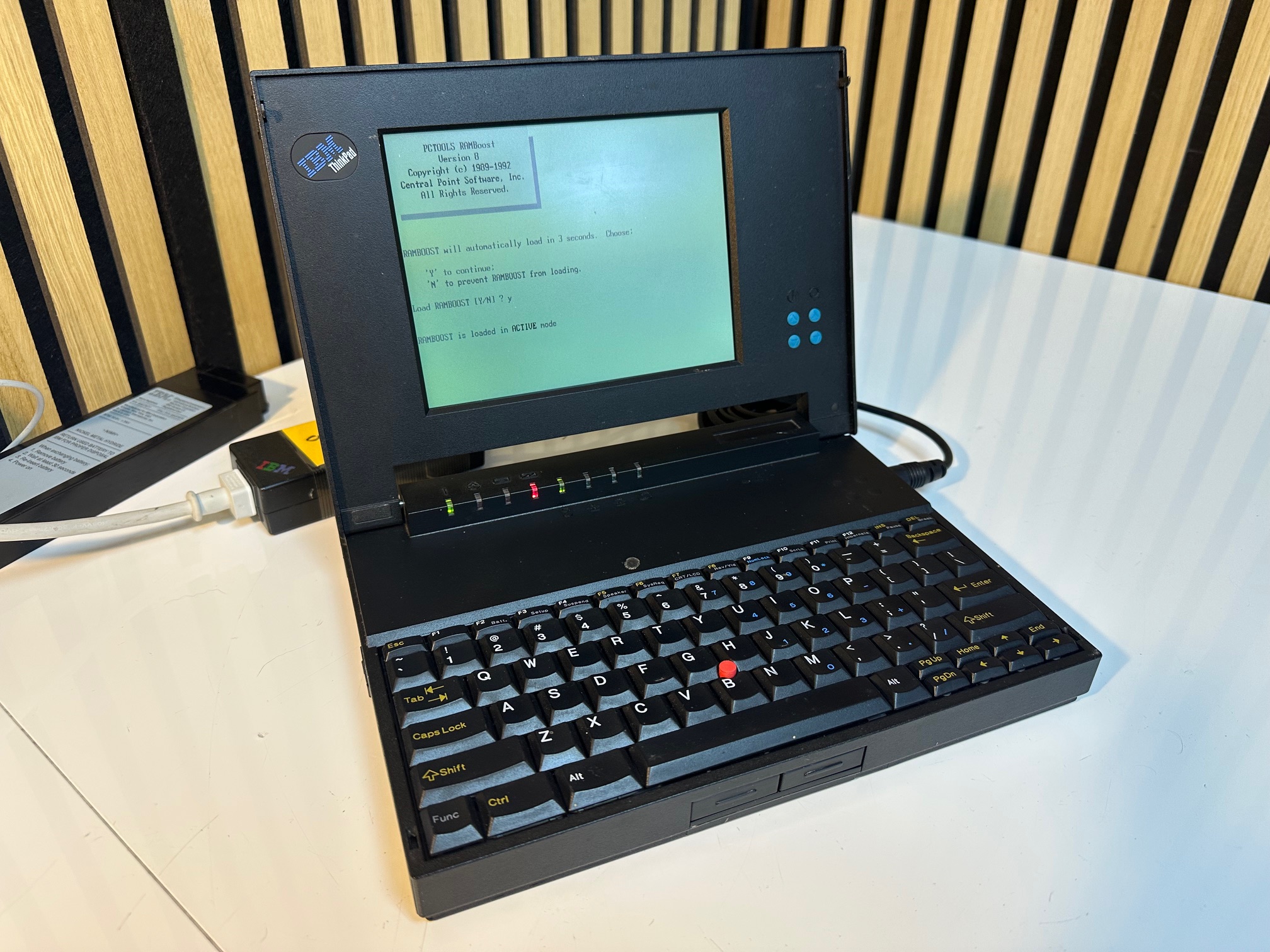
Here we have the author's 500 on the left with the monochrome screen and blue LCD bezel buttons and 510Cs on the right, with a partially repaired vinegar syndrome screen.

And in one more comparison, you have the original 500 on the left and a 530Cs on the right:

IBM Thinkpad 510cs - Lexington, USA
This colour-logo'd machine had a similar in design to the 500, but without the distinctive blue contrast and brightness buttons, a colour DSTN display and a blue lightening processor. The brightness and contrast controls where embedded as softkeys under regular keyboard buttons. It has a weird breakout box which came with the machine which allowed you to connect things like an external video display and a floppy drive via the dock connector.
- WD90C24A2 video controller with 1MB
- 7.7" STN display with 640x480 resolution
As covered in the 500 / 510 article, the 510 machines appear to be suffering from siezed up hinges much more than their 500 model cousins.
IBM Thinkpad 530Cs - Yamoto, Japan
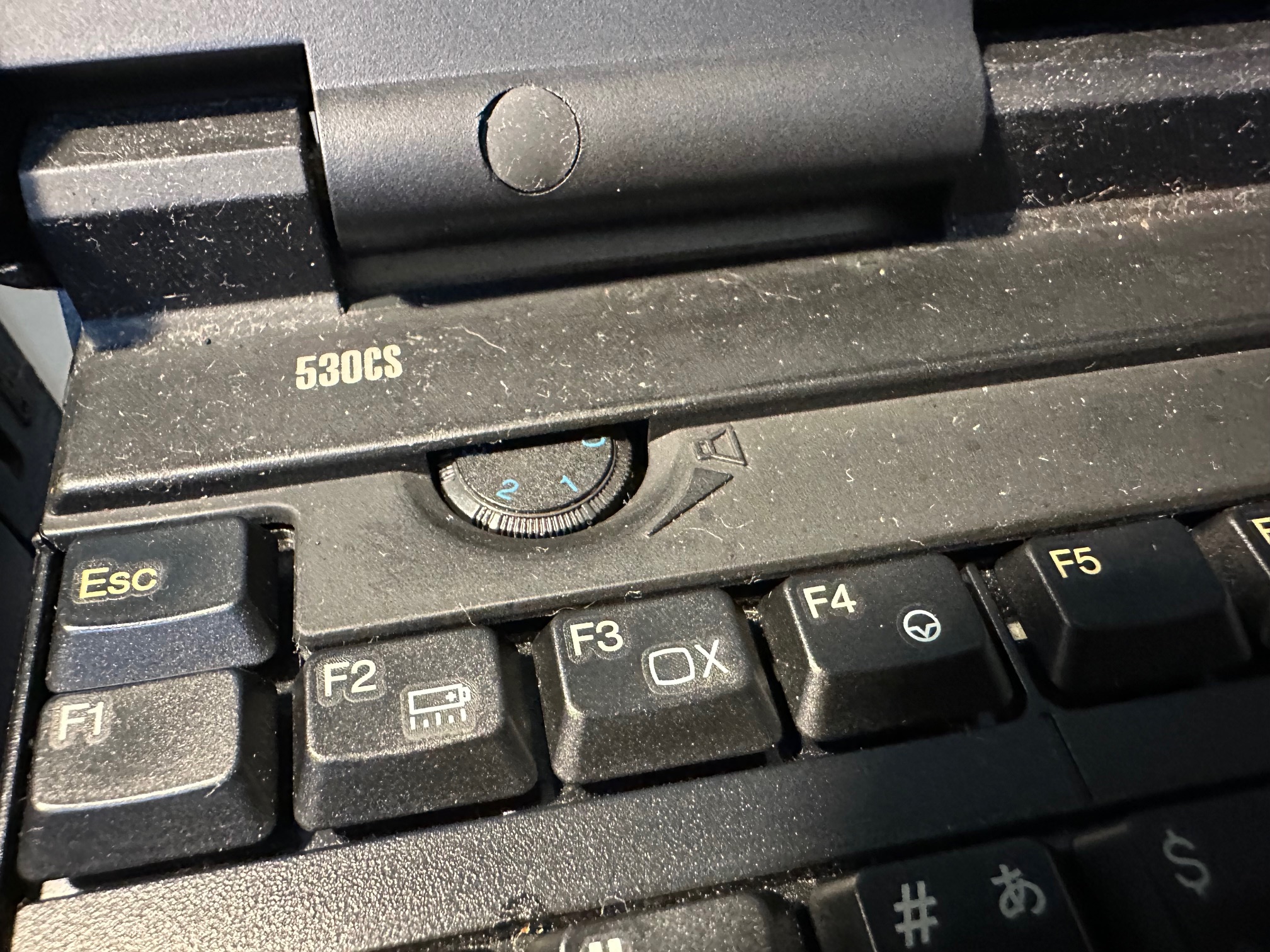
This was a fundamental shift in design to the 500, 510 and 701c due to the development lab switching back to Yamoto. Often aligned with the smaller 230Cs and share the same manuals. Whereas the 500 and 510 saw an international release, the 530 (and 535) were only released in Japan.
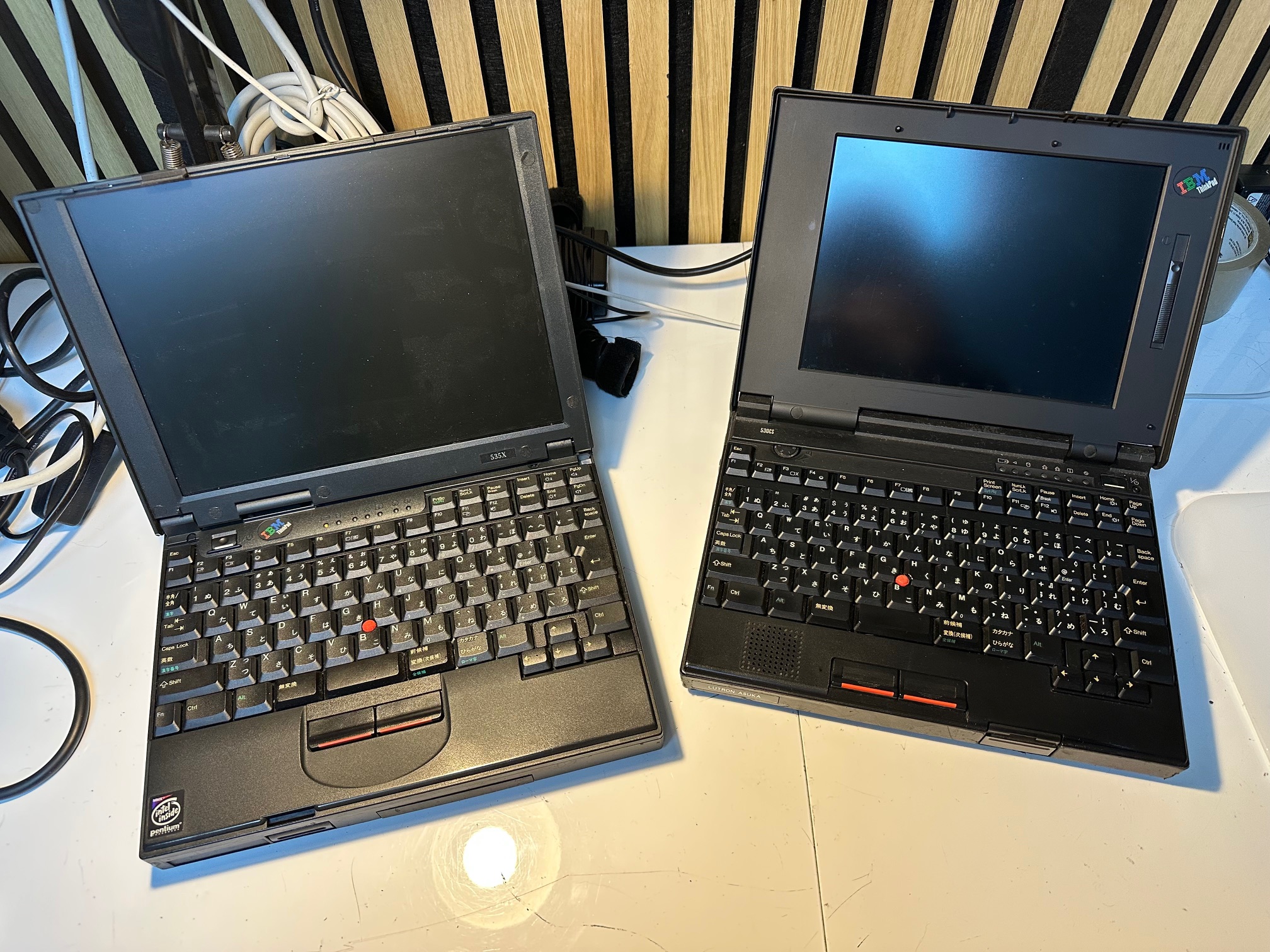
You can easily spot the completely different design from the outside and just as much from the inside - this is a completely different machine to the 510Cs and you can see how the innovations from Lexington which brought about the 701c had not yet taken hold in Japan - perhaps partly down to the cost of a TFT panel.
Here is a side-by-side comparison of a 535X on the left and the 530Cs on the right (or the 530Cs being on top). You can see that the 530Cs is slightly smaller than the 535 and has a slightly older design logic with a painted metal case, rather than a black plastic one:
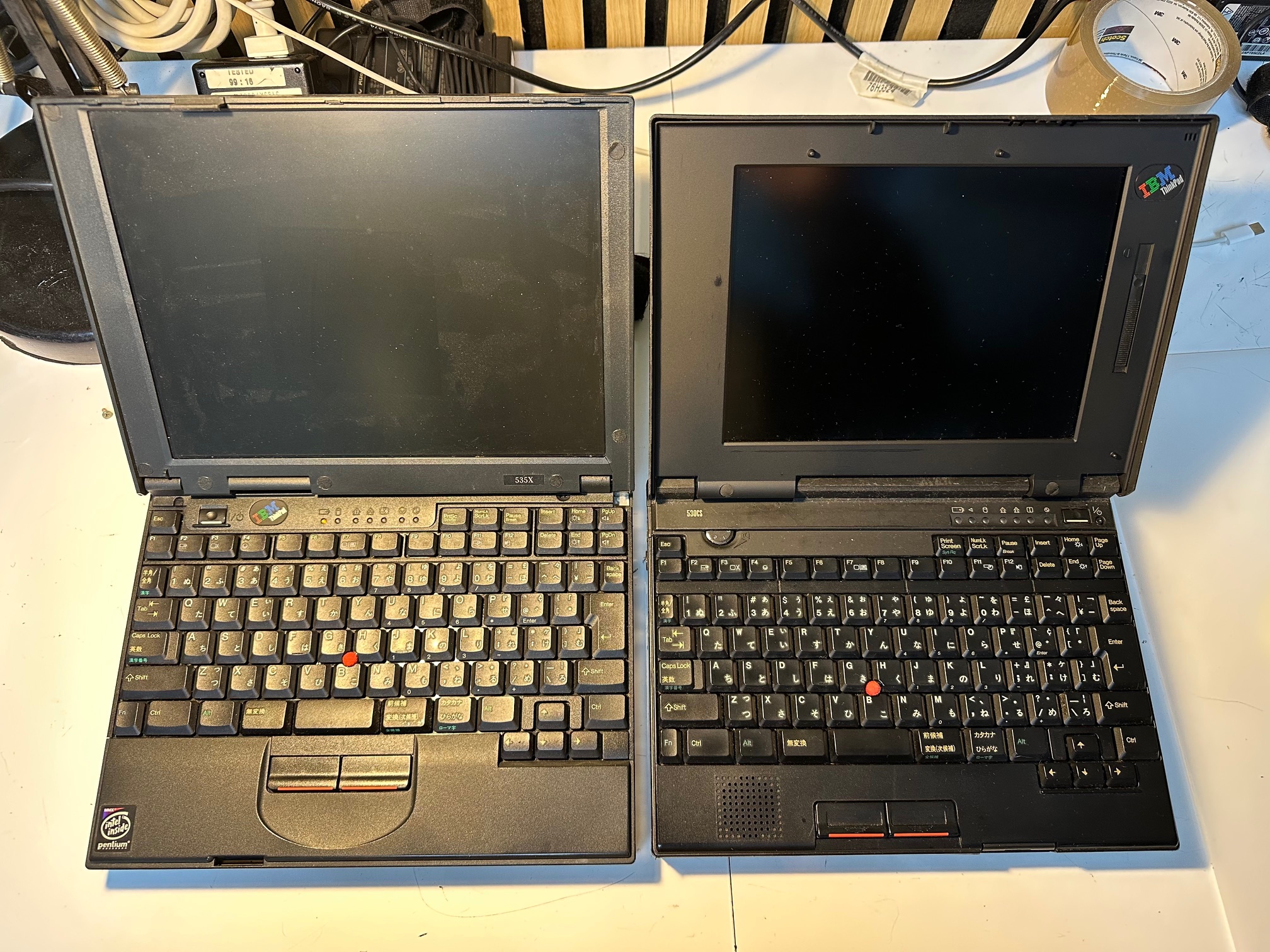
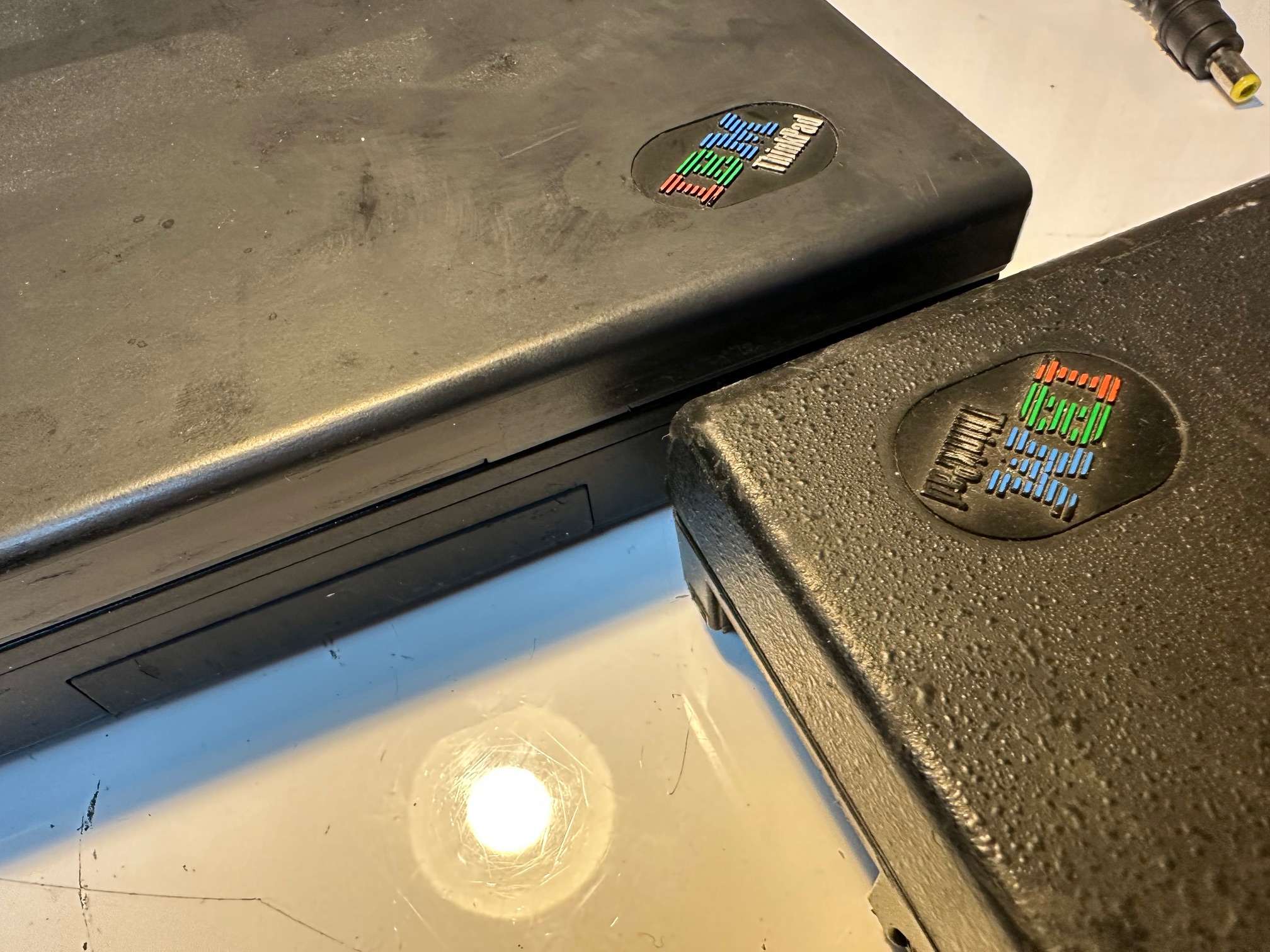
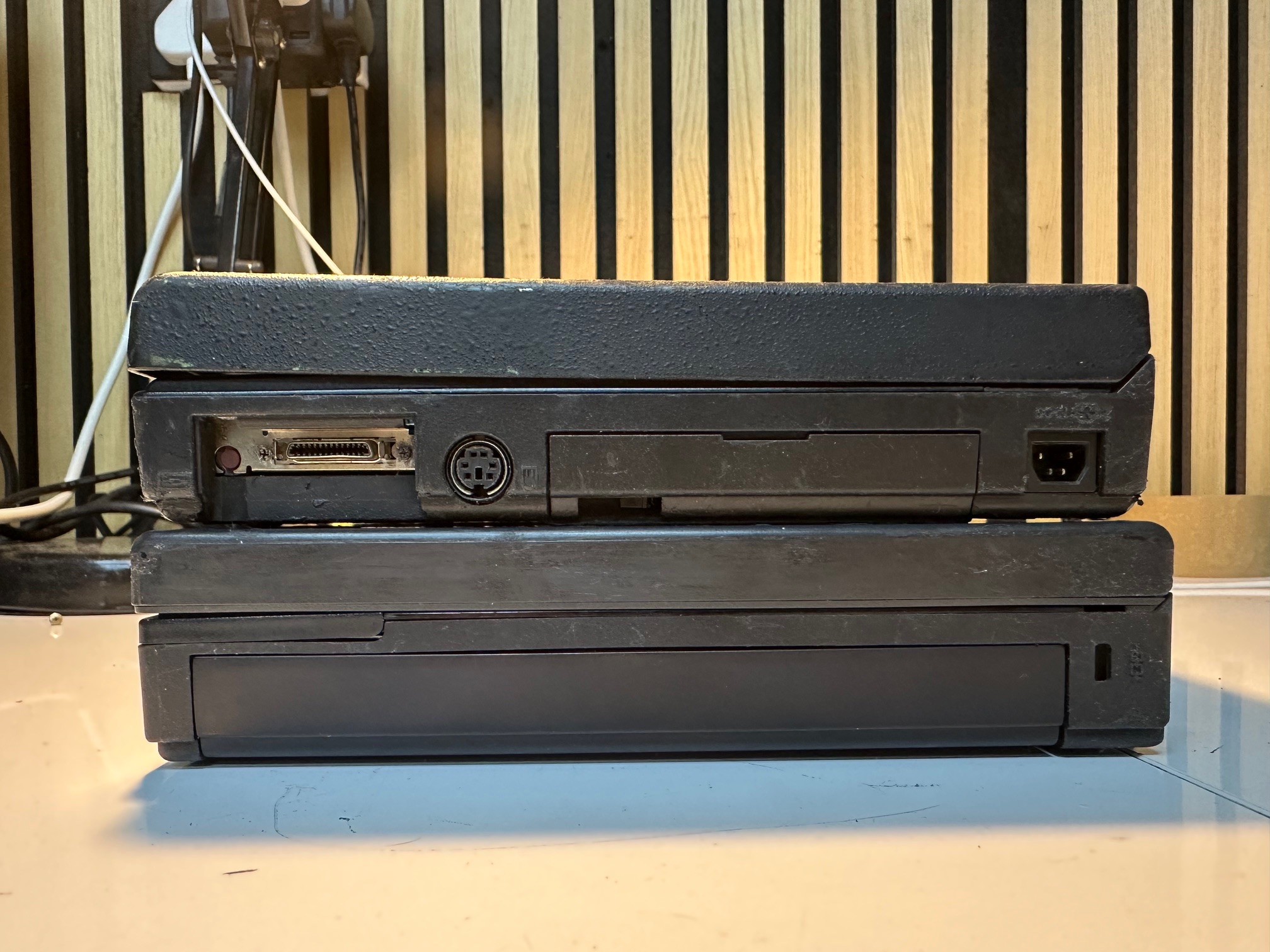
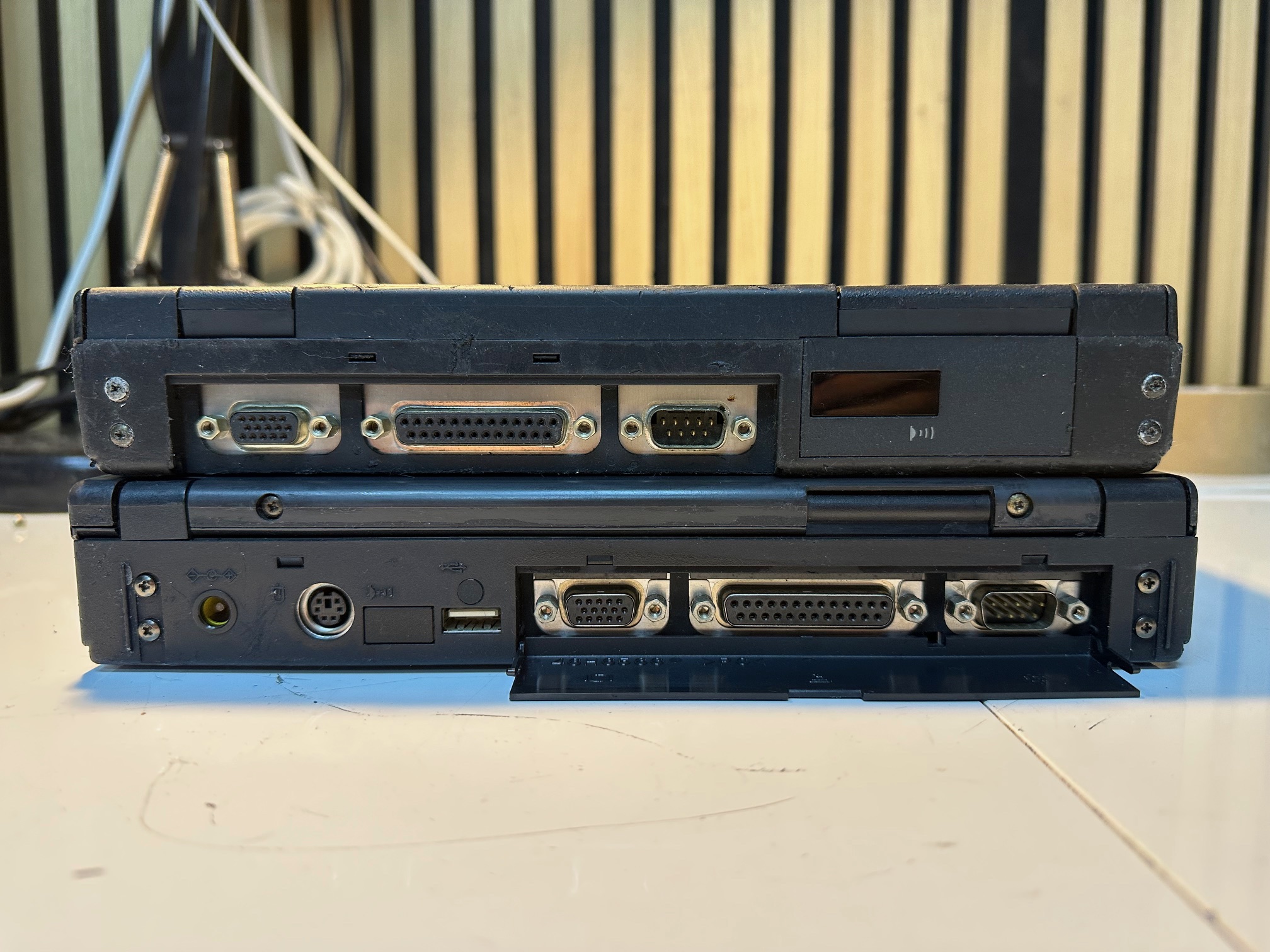

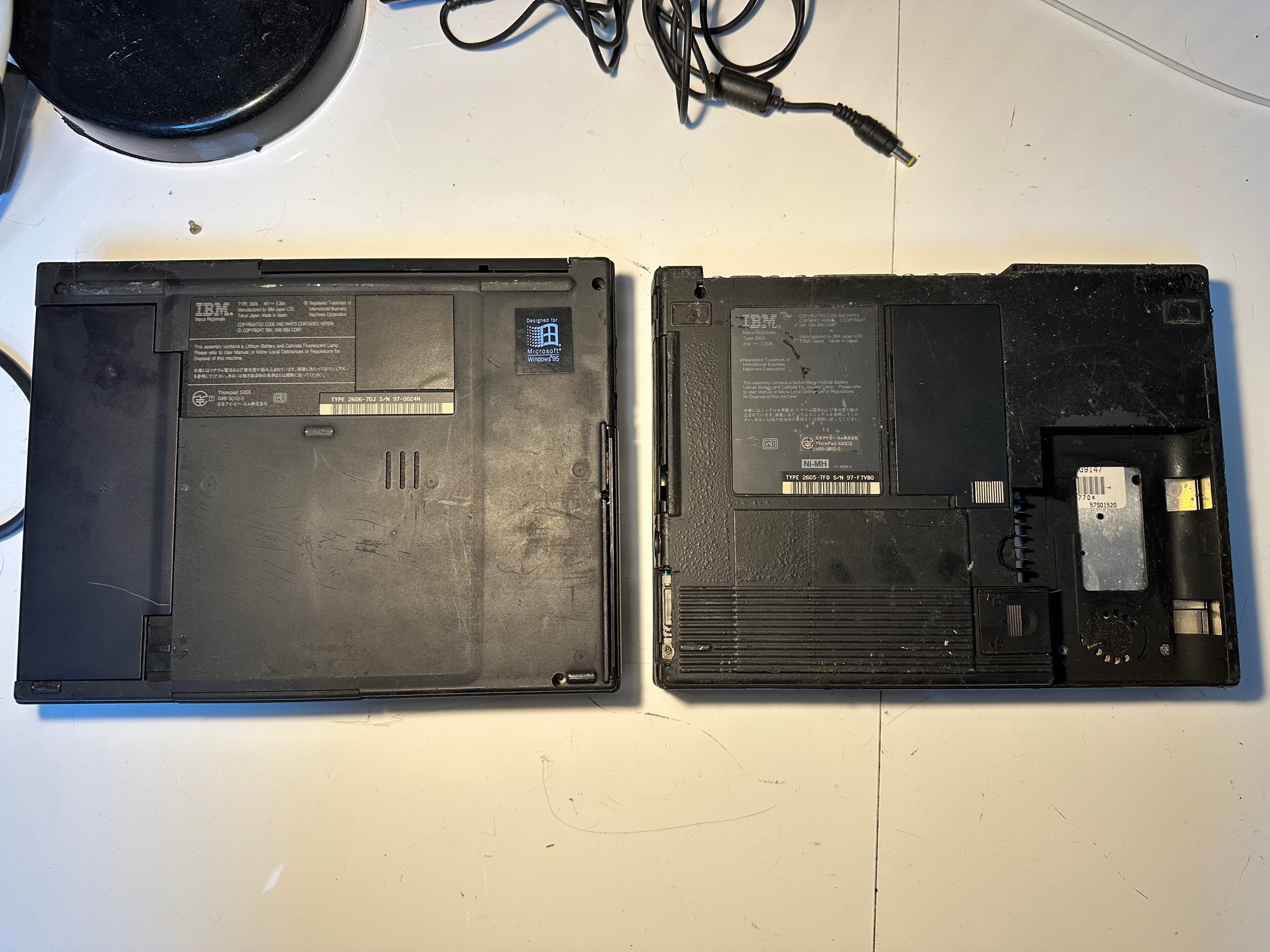
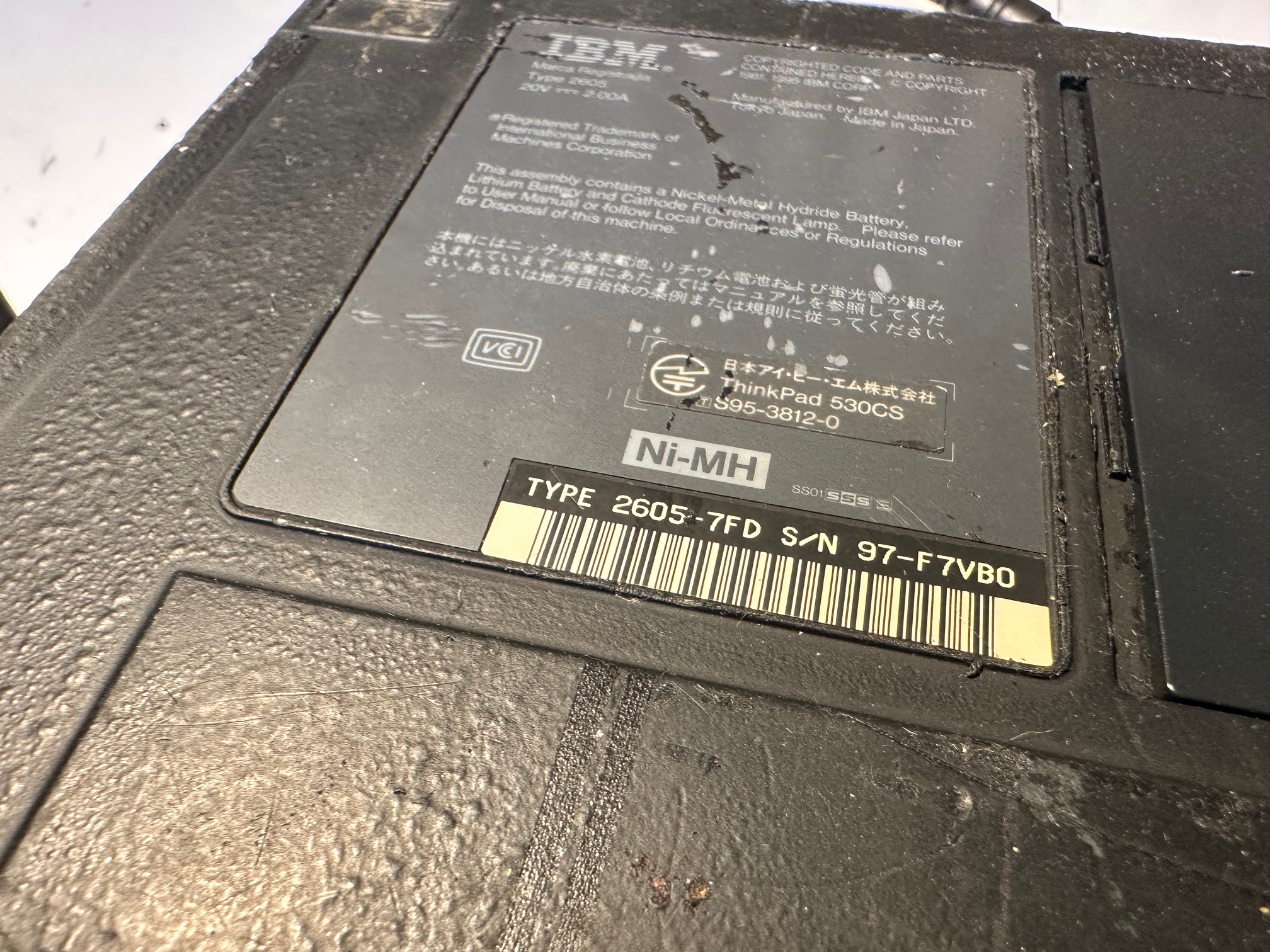
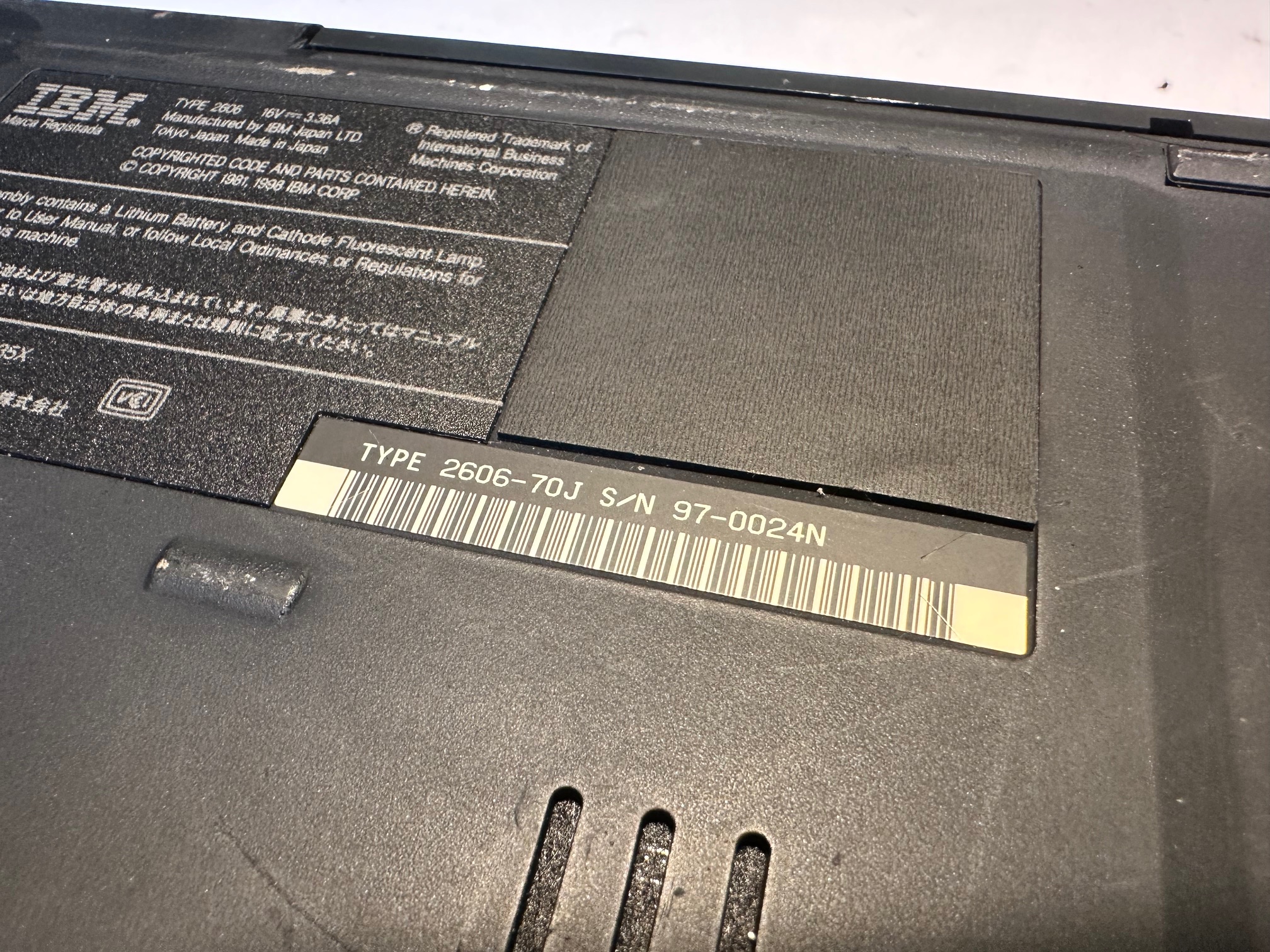
And one more pic I took where I put my 530Cs (left) next to a 535X (right):

IBM Thinkpad 535, 535E and 535X - Yamoto, Japan
The 535 is a lovely machine but fairly rare as it wasn't released outside of Japan or Asia. You can feel it's trying to find that balance of a simple but full-sized-feeling keyboard with a slightly larger screen - something the 701c had to do with black magic.
The 535 is nice to work on and repair, but best with a TFT screen, as DTSN was also an option. There is a dodgy hibernation battery inside the earlier models which tend to corrode the inside. I've done a bigger article here. It only was released in Asia.
Easy to dismantle but be careful of the hairline pins/traces which can very easily be knocked on the earlier 535 models with a more exposed CPU.
Almost all of them have 4 or 8 failed electrolytic caps on the DC power board, but these machines are simple to dismantle and reassemble.
IBM Thinkpad 550BJ (Canon)
The 550 and 555 are somewhat seperate from the rest of the 5xx Series. This machine came out before the original 500 and before IBM even knew what they were doing with their model designations/numbering scheme. Sat alongside the 350 (weird PS/note rebadge) and the 720 (a step on from the iconic 700C). The 550BJ is part of an unusual short-lived trend and collaboration between IBM Japan and Canon with a built-in bubblejet printer (hence the name!), a monochrome display and no trackpoint. I've done a full article and teardown on this model here.
 The IBM Thinkpad-branded 550BJ on the left and the Canon BN22 on the right.
The look and feel of the whole machine feels distinctly PS/note on steroids.
The 550 and 555 machines were a complete departure from the rest of the 5xx-Series because they were full size machines, made even bigger by incorporating a printer and floppy disk drive. There were various other Canon-branded machines which share a similar design and ethos to the 550.
The 550 suffers from a wide array of surface mounted elerolytic capacitors that are all going bad now. I had 4 and could only get 2 of them working, because the leaking caps had damaged so many different traces on the motherboard.
IBM Thinkpad 555BJ (Canon)
Similar with the 550BJ, but with a trackpoint and a colour screen.
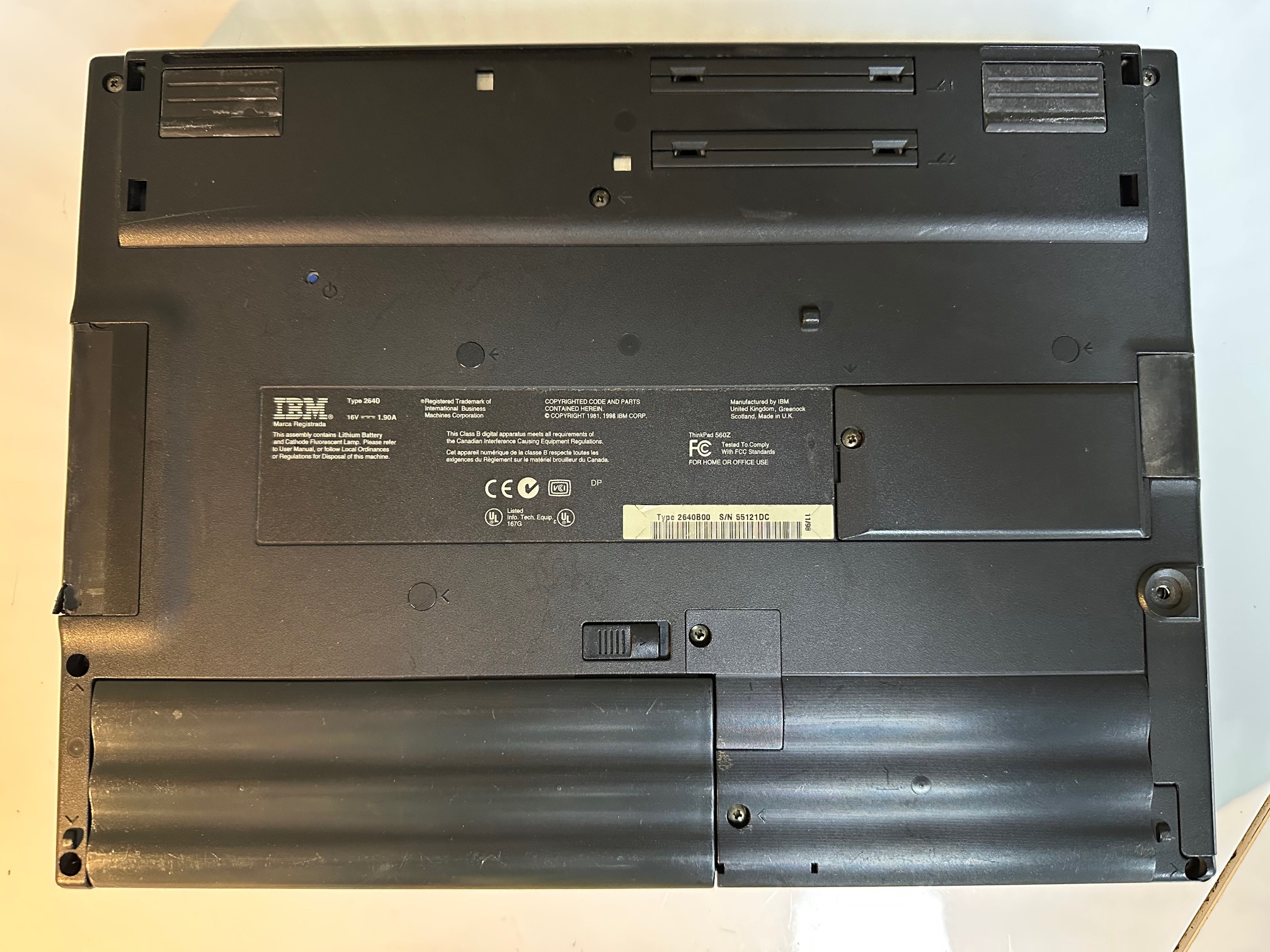
IBM Thinkpad 560, 560E, 560X and 560Z - Yamoto, Japan
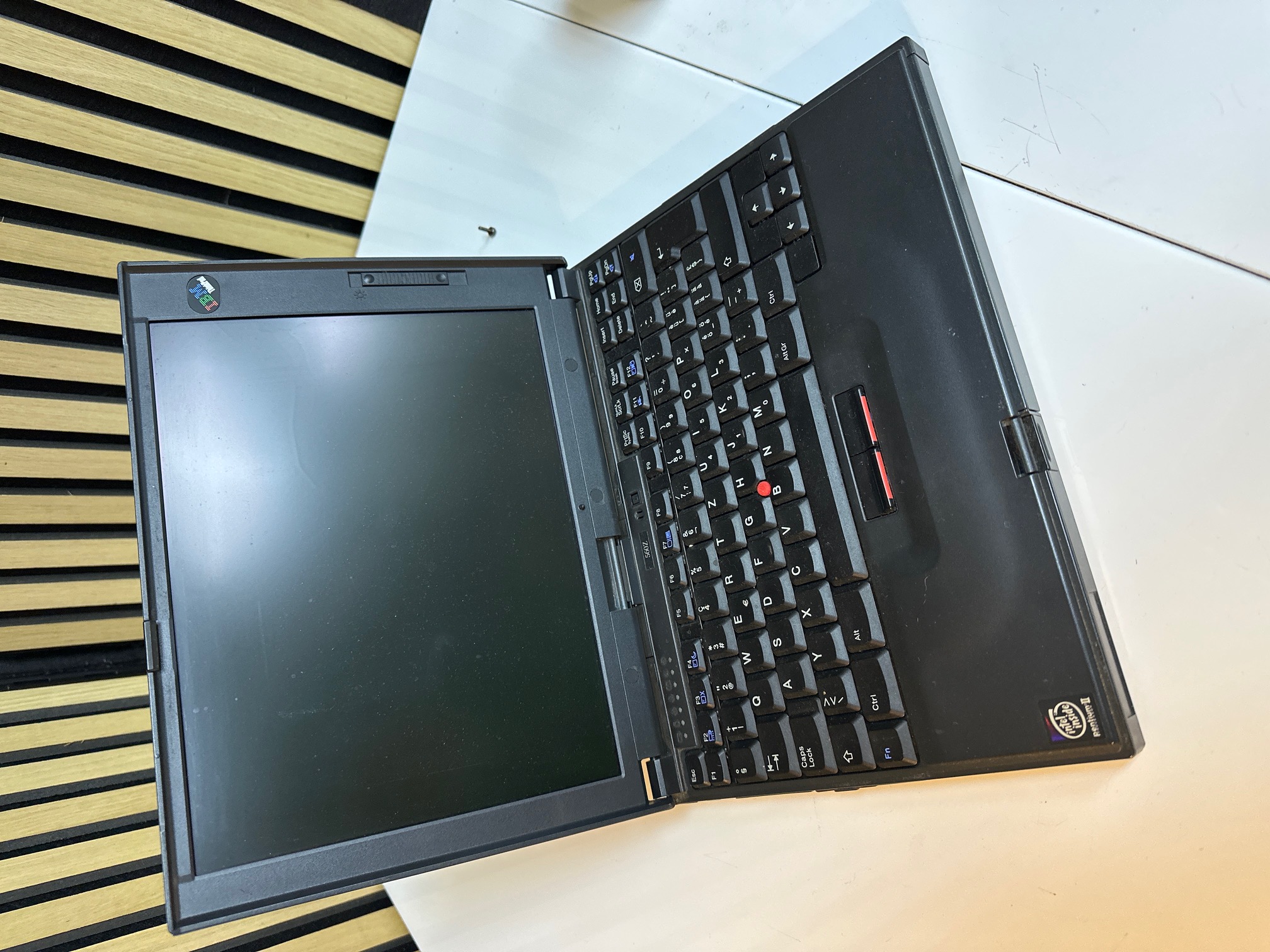
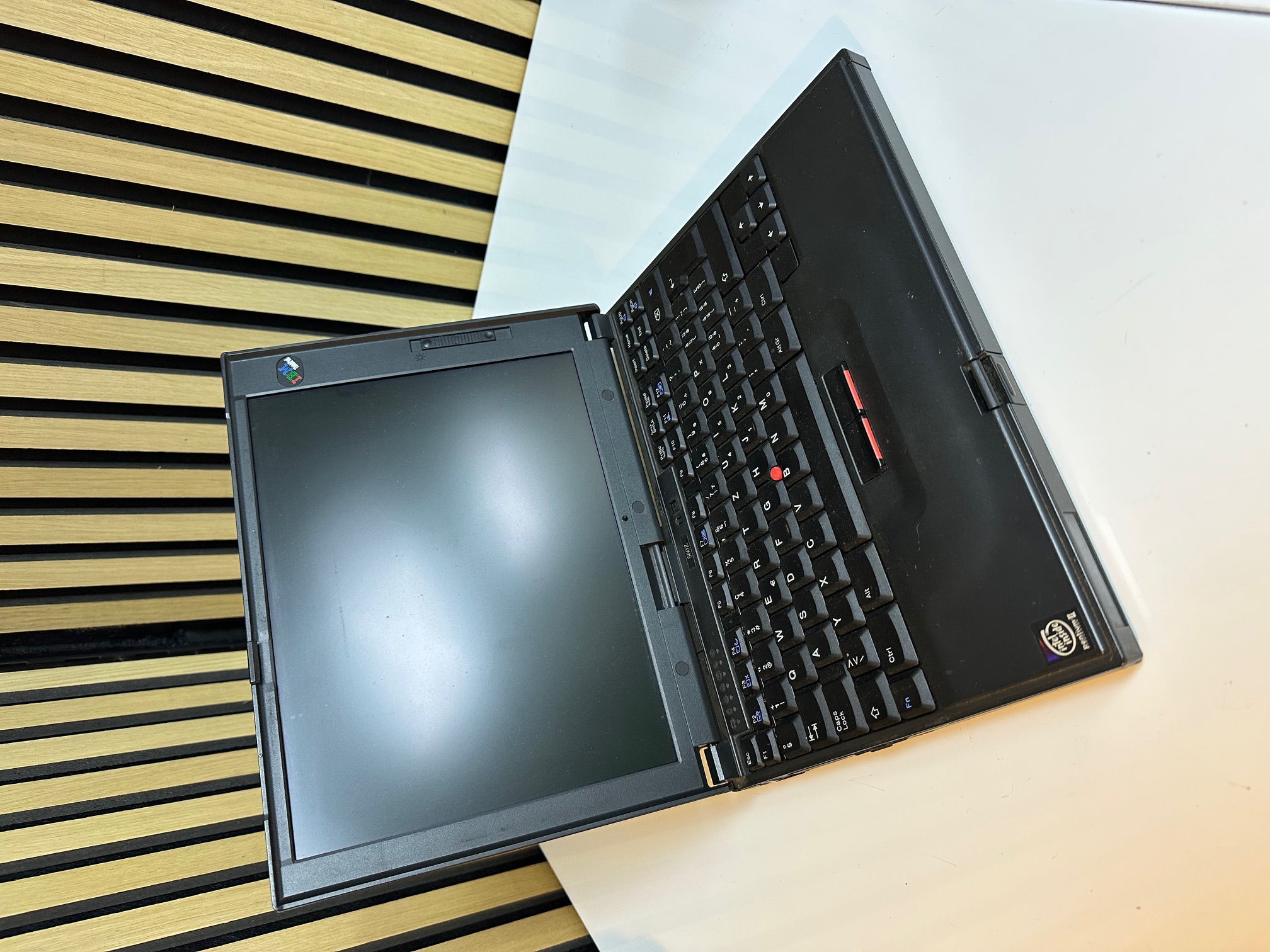
Another design direction more closely aligned with it's bigger brother, the 760, the 560 series was a more widely released small notebook machine. The 560 series feels more plasticky and lightweight than came before, even if the 560Z does tend to cram a lot into a small space and feel a bit weighty again.
The 560Z was very different to the other 560 machines, although it wasn't obvious on first sight. It only came with the largest 12.1" TFT display, the Z came with the fastest 233 or 300Mhz CPUs and the HDD was accessible by a removable door on the outside of the machine.
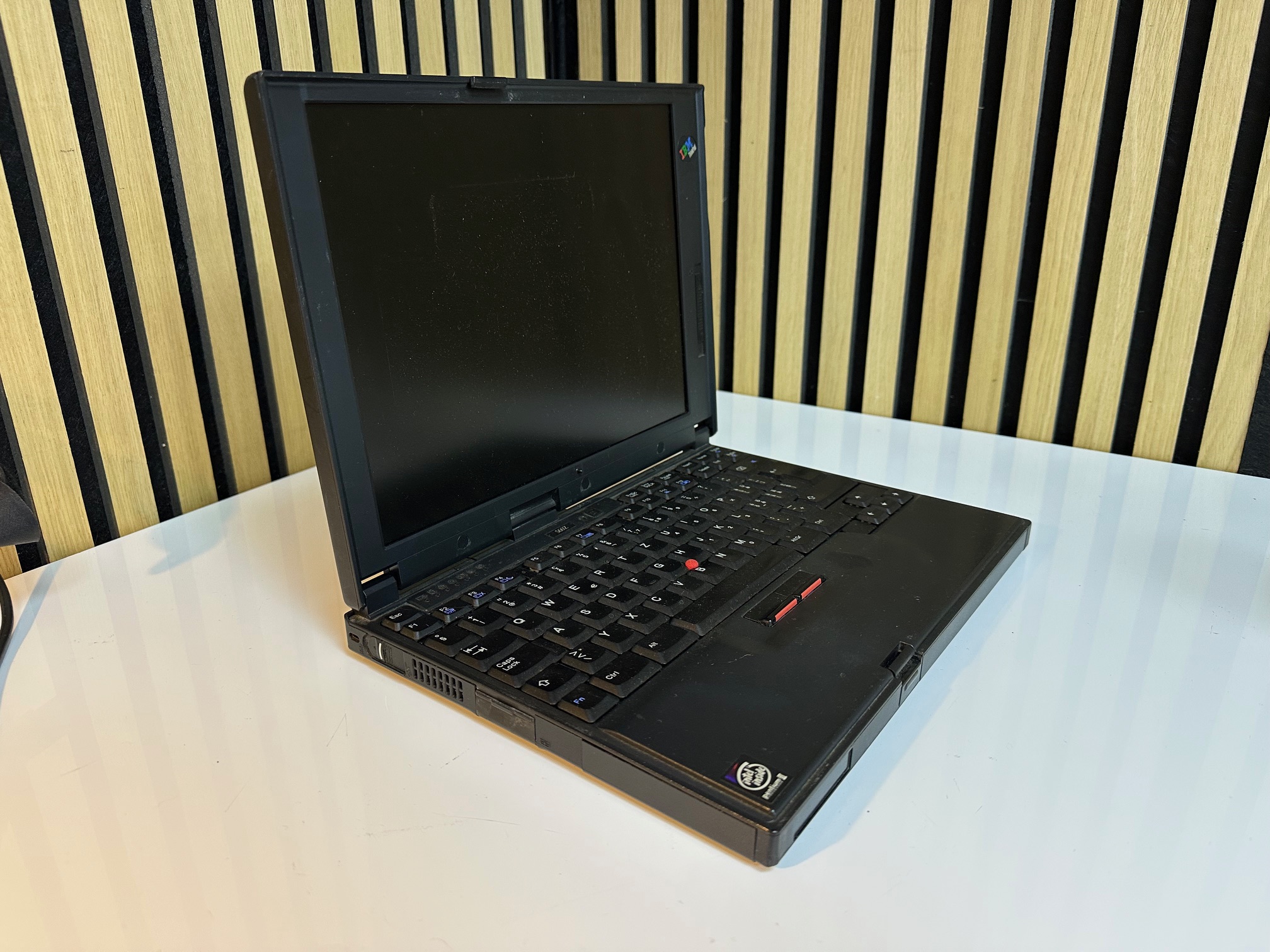
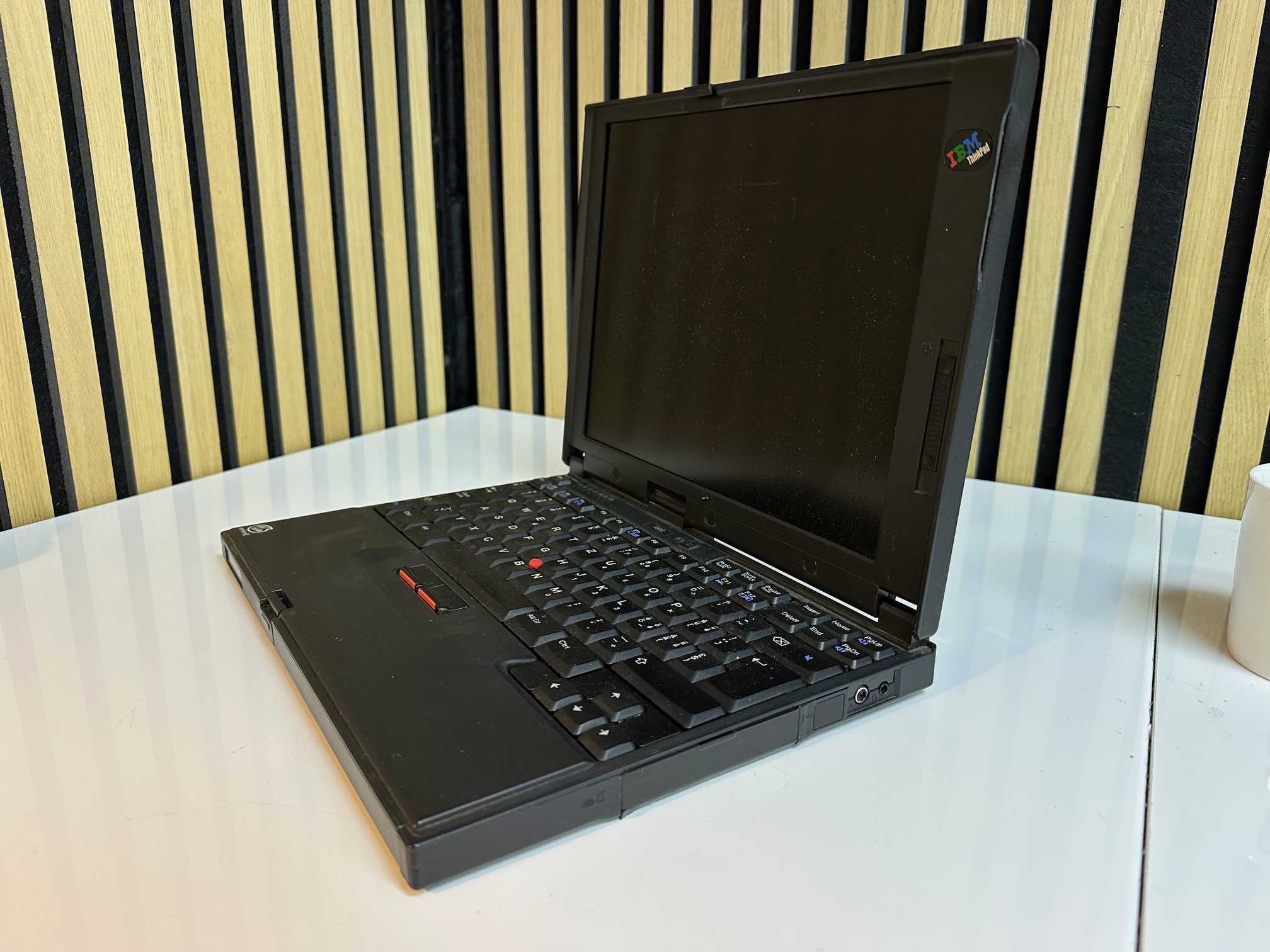
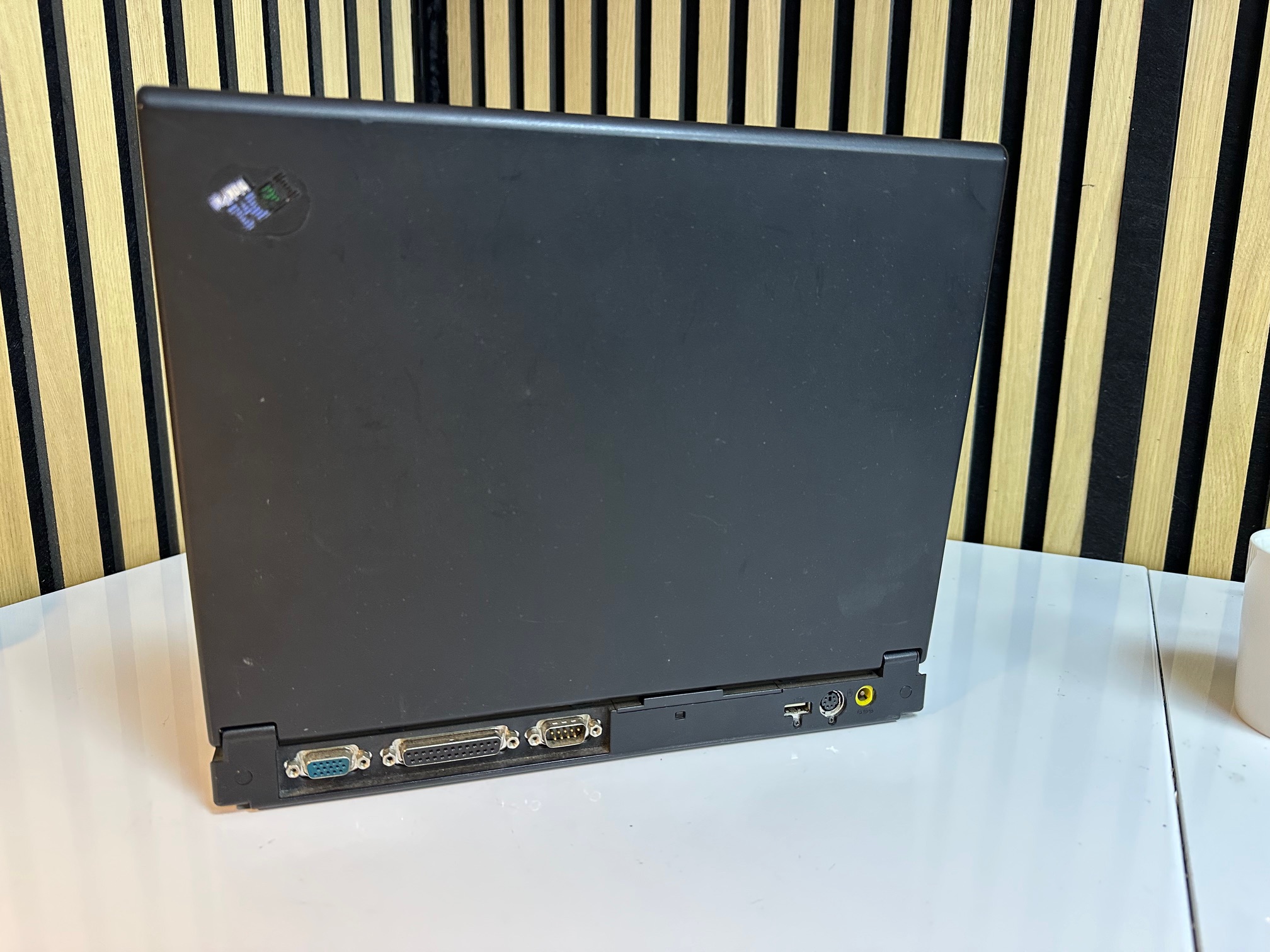
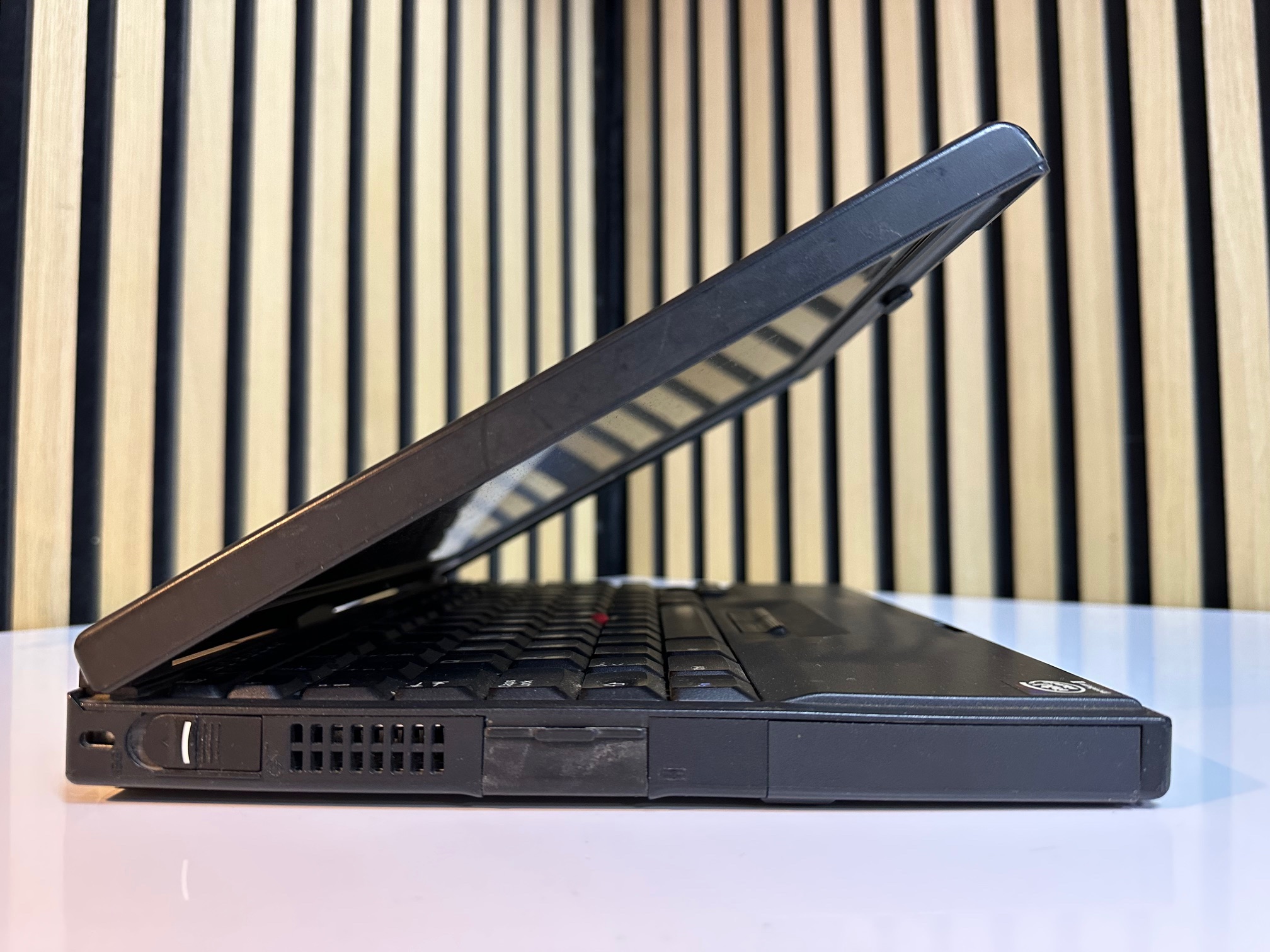
IBM Thinkpad 570 & 570E - Unknown Lab
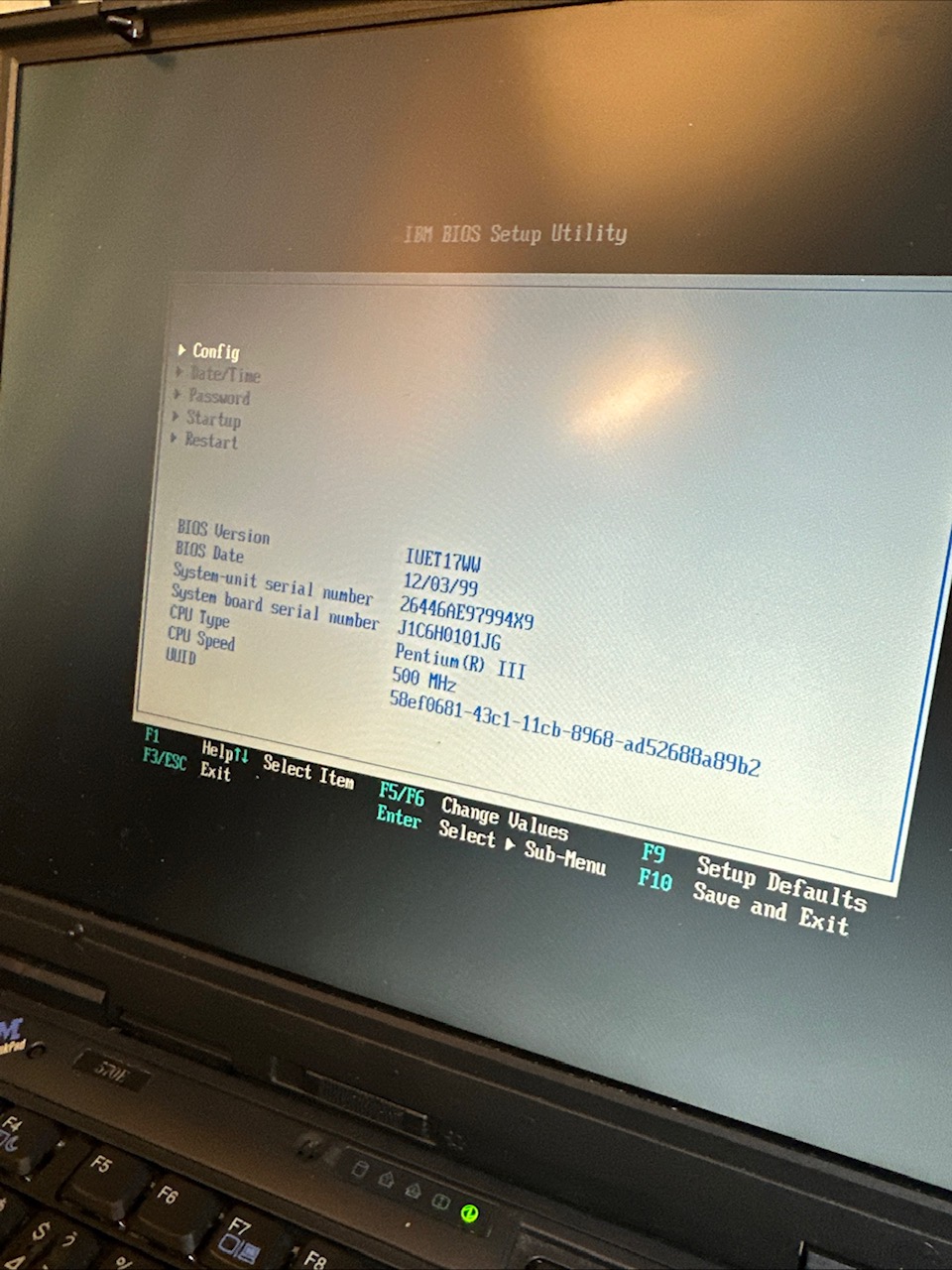
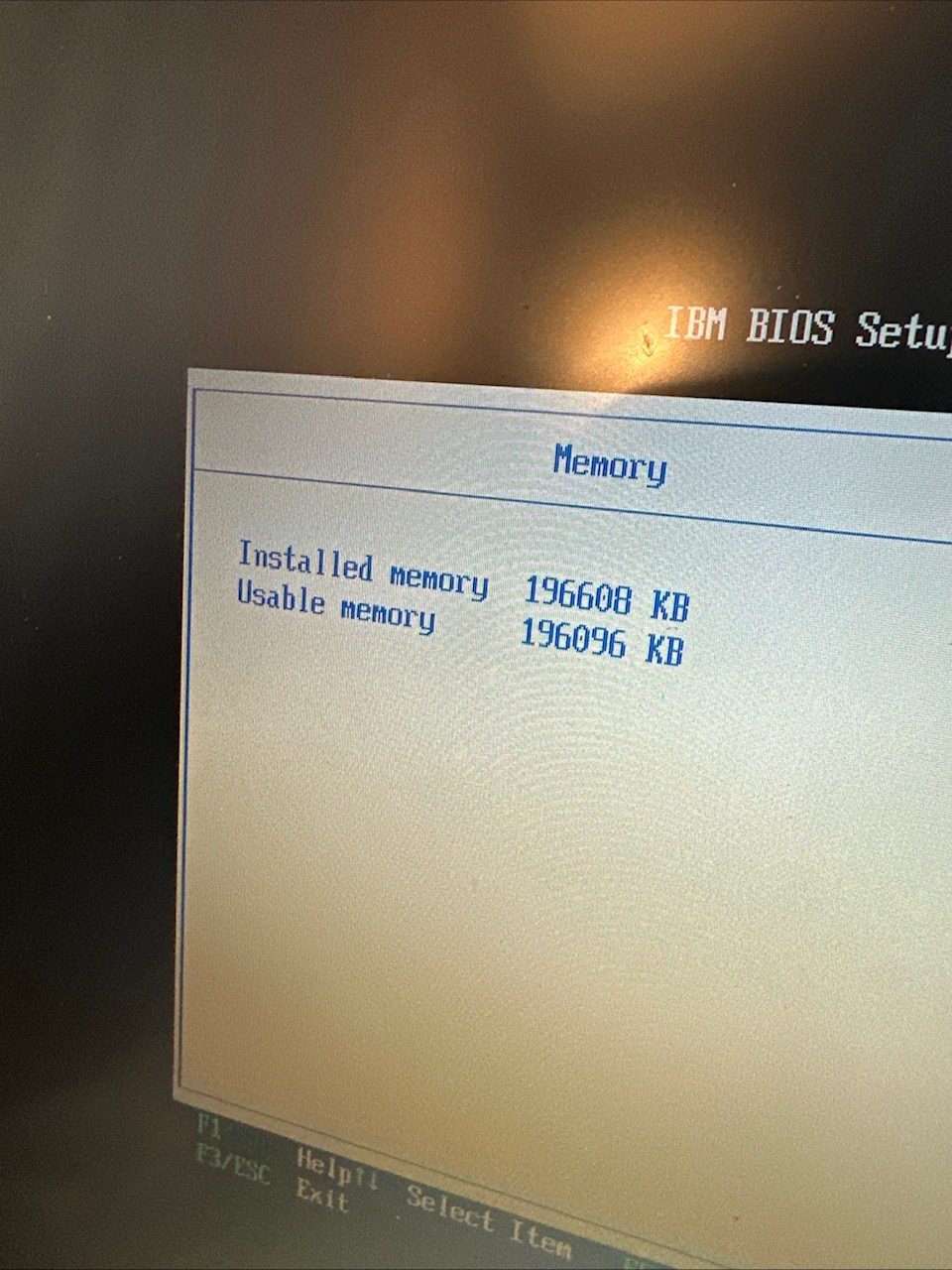
Again, more widely-released machine with Intel Pentium 333Mhz to 500Mhz CPUs and either an SVGA or XGA display. Marketed as a 'transformable' computer which was relatively light without any removable drives, but easily docked. It bugs me that the last 'official' western 570-series was an E which would either signify 'cheap' or 'cut down educational market' model, which is isn't. IBM released the 570E and decided to start lettering models. The 570E was replaced (alongside the 240) with the X series.
The 570 had a strange interaction with the South Korean market where it was re or co-branded as an LG machine. In South Korea, they have a history of the government blocking electronics made in Japan (dating back to the Second World War) and therefore many electronics companies would enter into local manufacturing and distributing agreements with a South Korean company in order to resell their hardware in the country. As a result, the 570 can sometimes be found re-branded as an LG machine.
There was also a short-lived iSeries variation of the 570E which was essentially the same, but with different branding - possibly to capitalise on the success of the non-IBM iSeries thinkpad machines sold across asia.
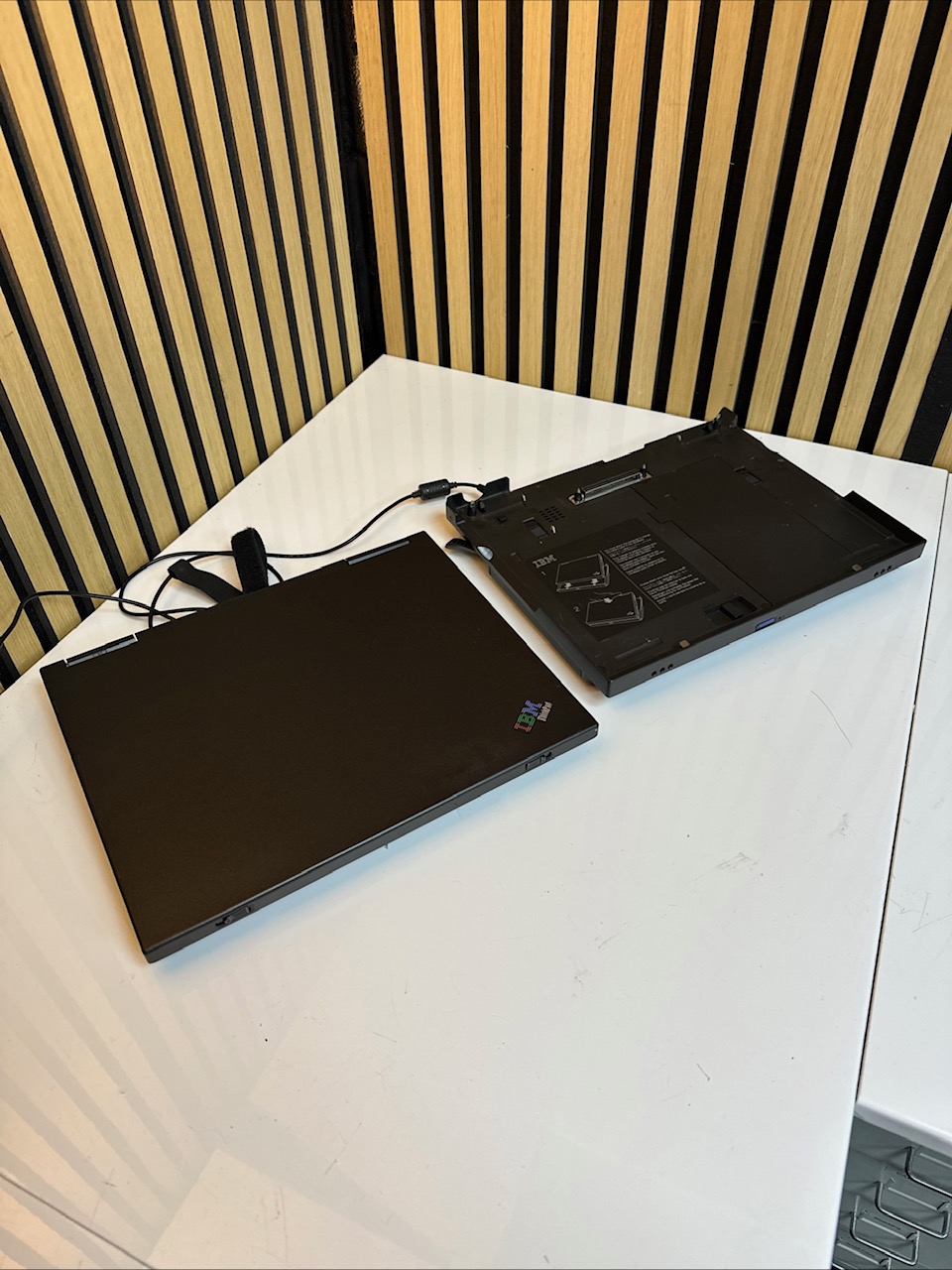
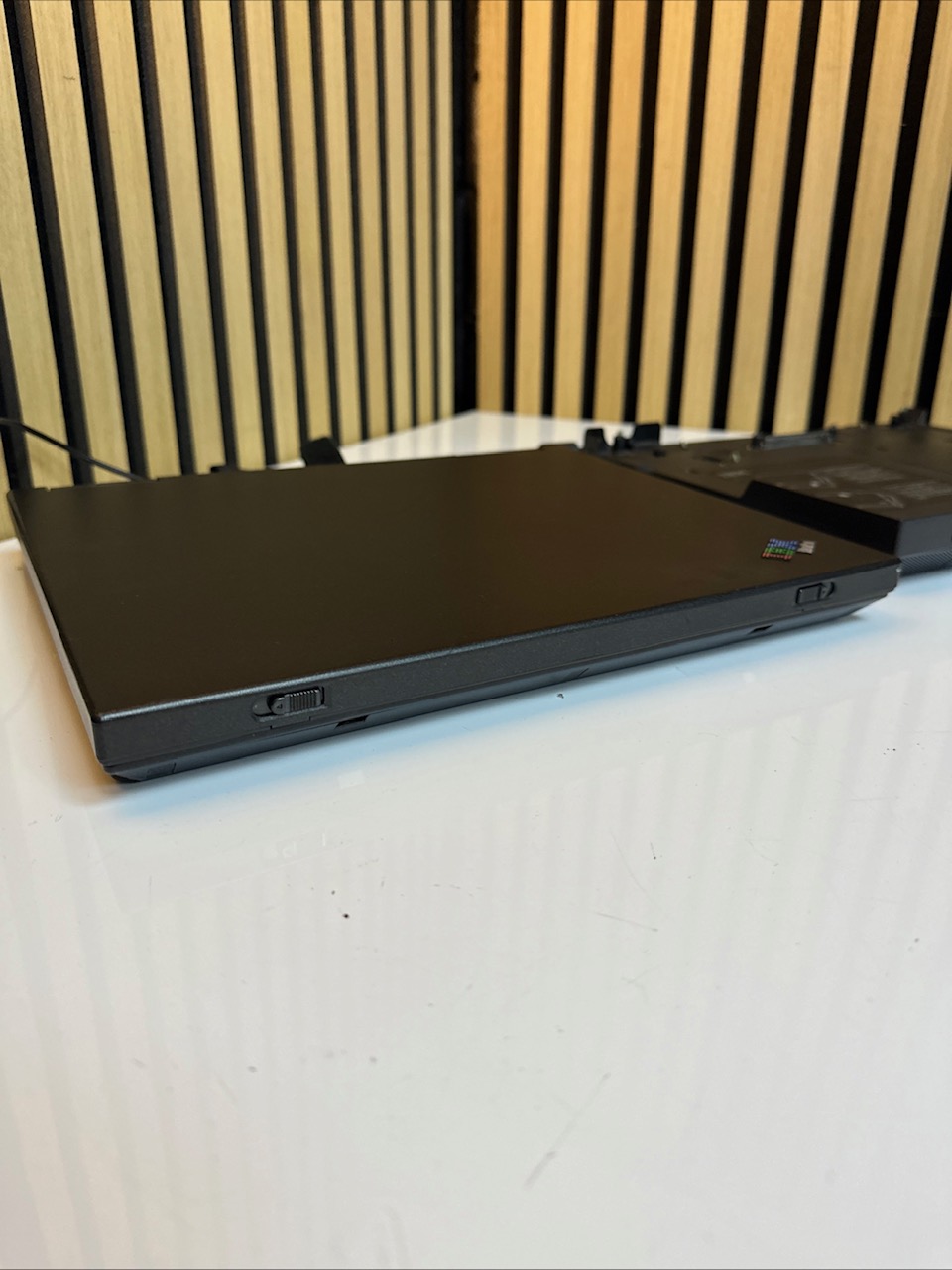
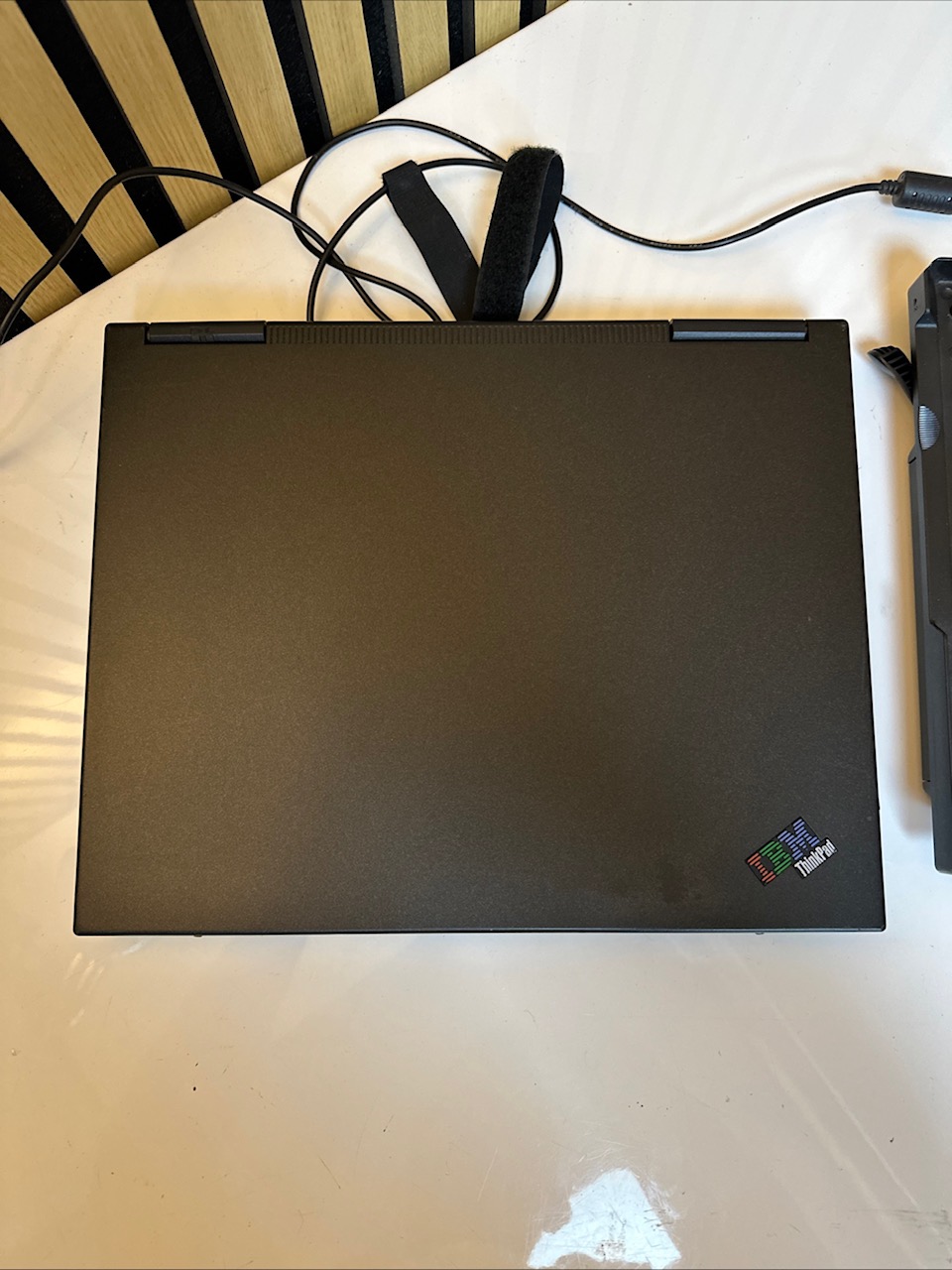
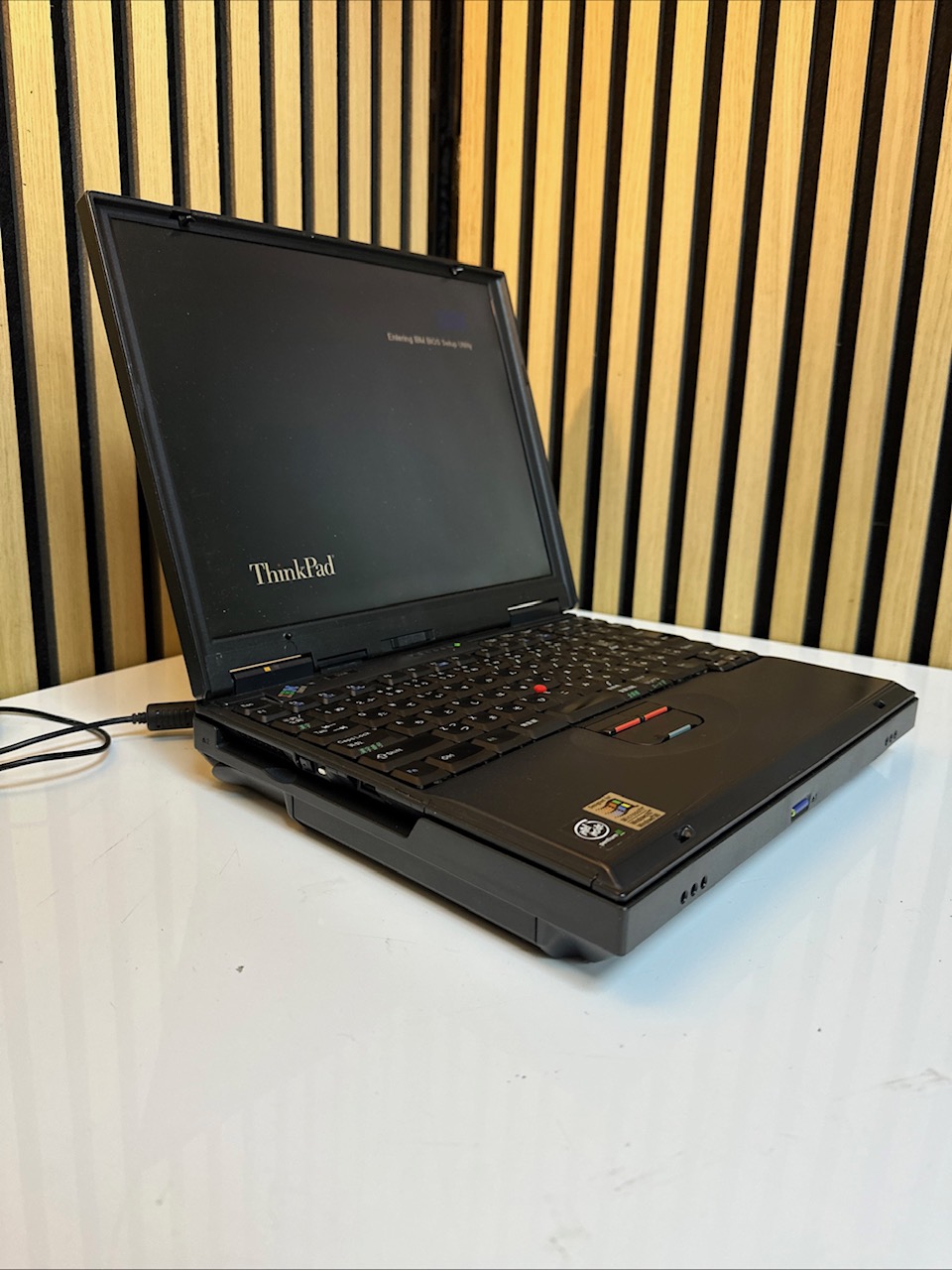
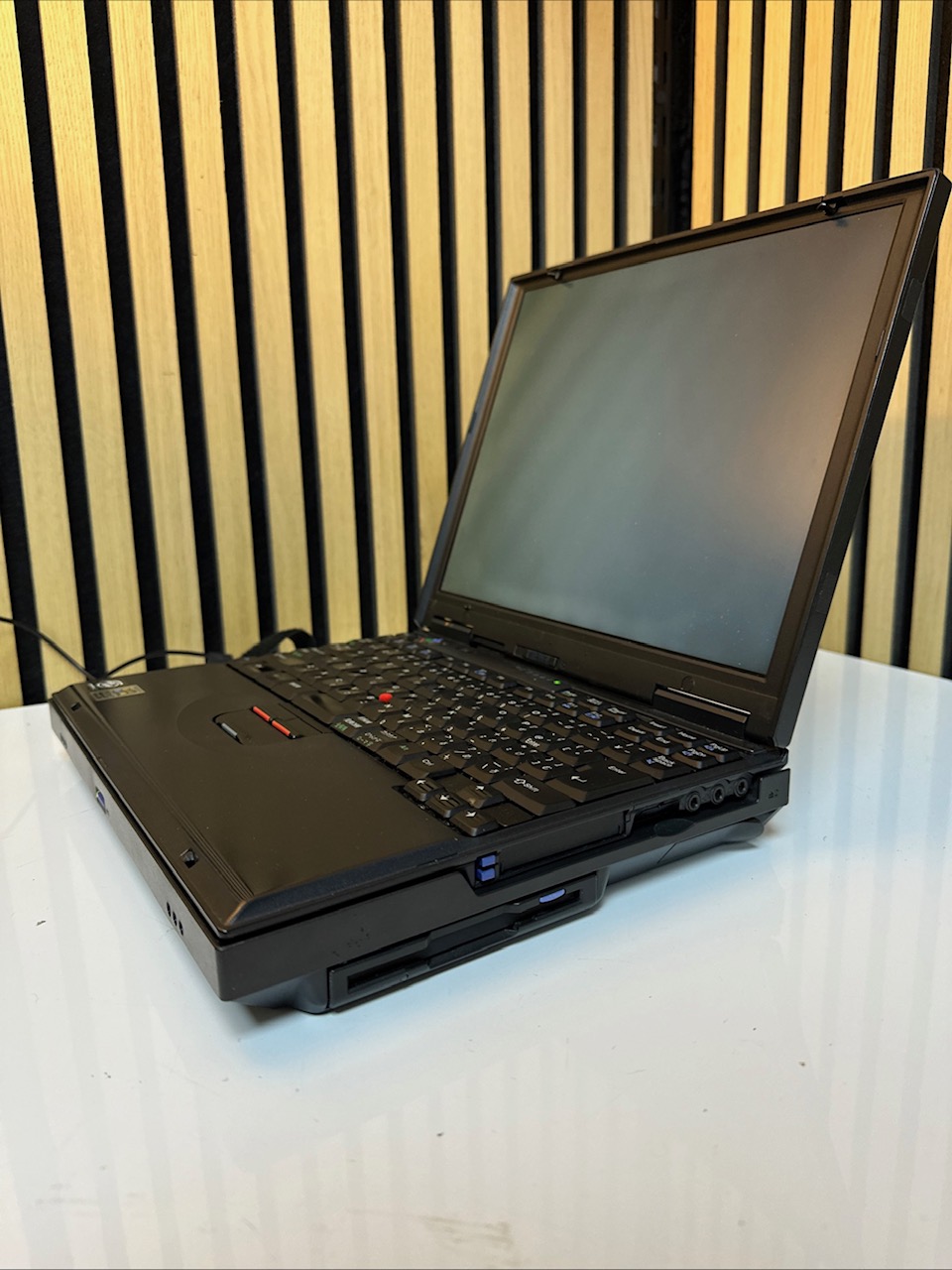
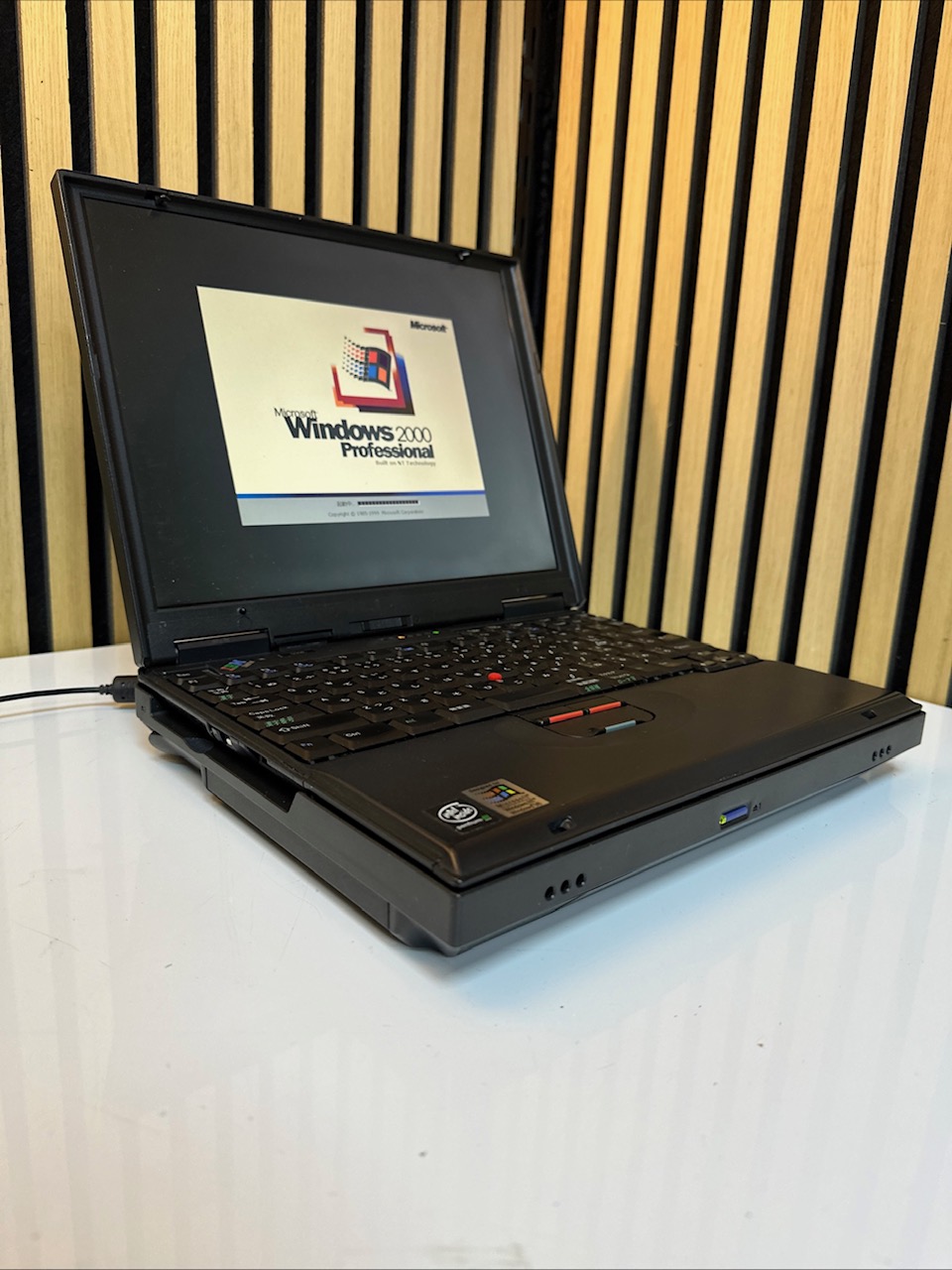
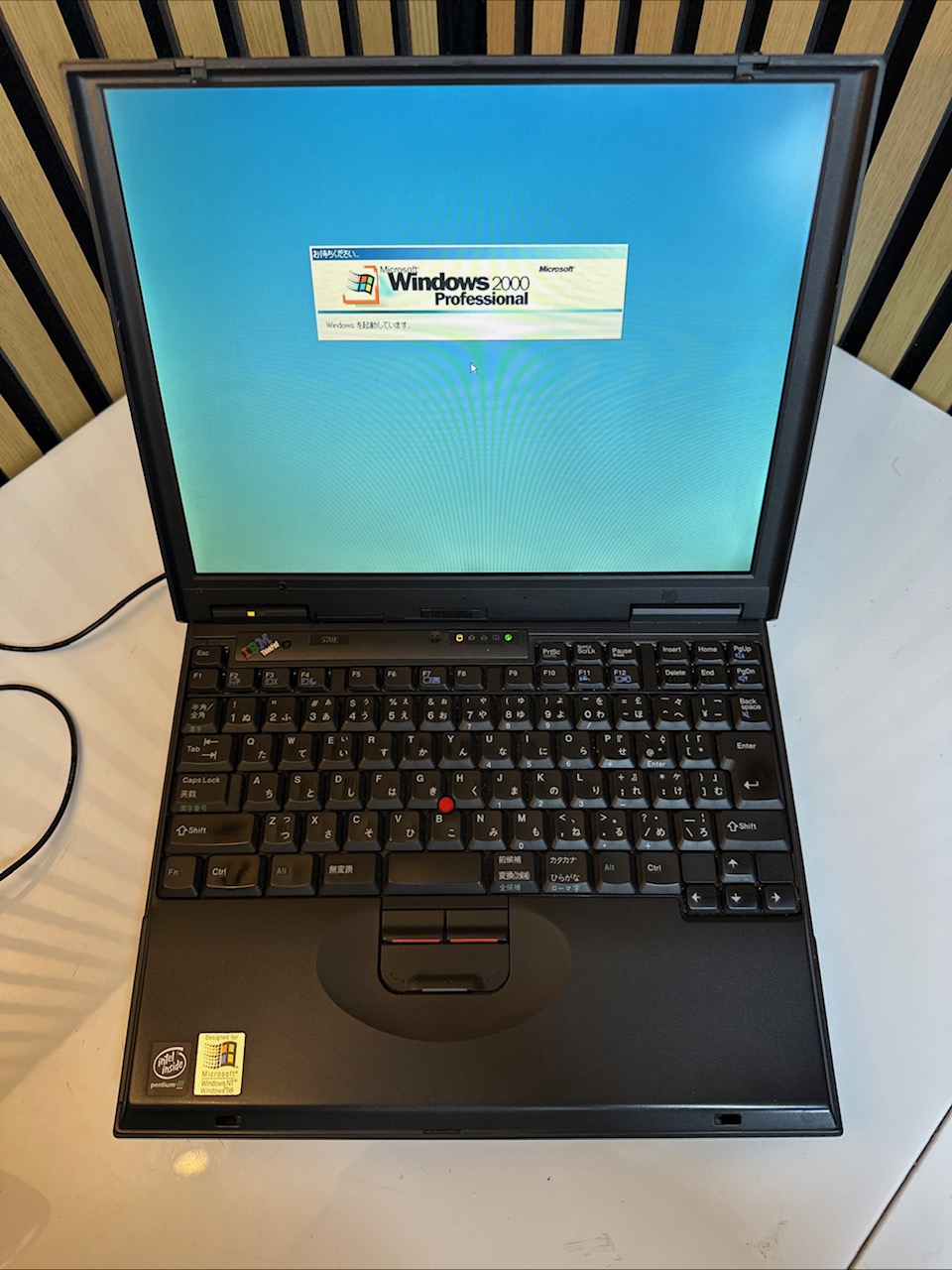
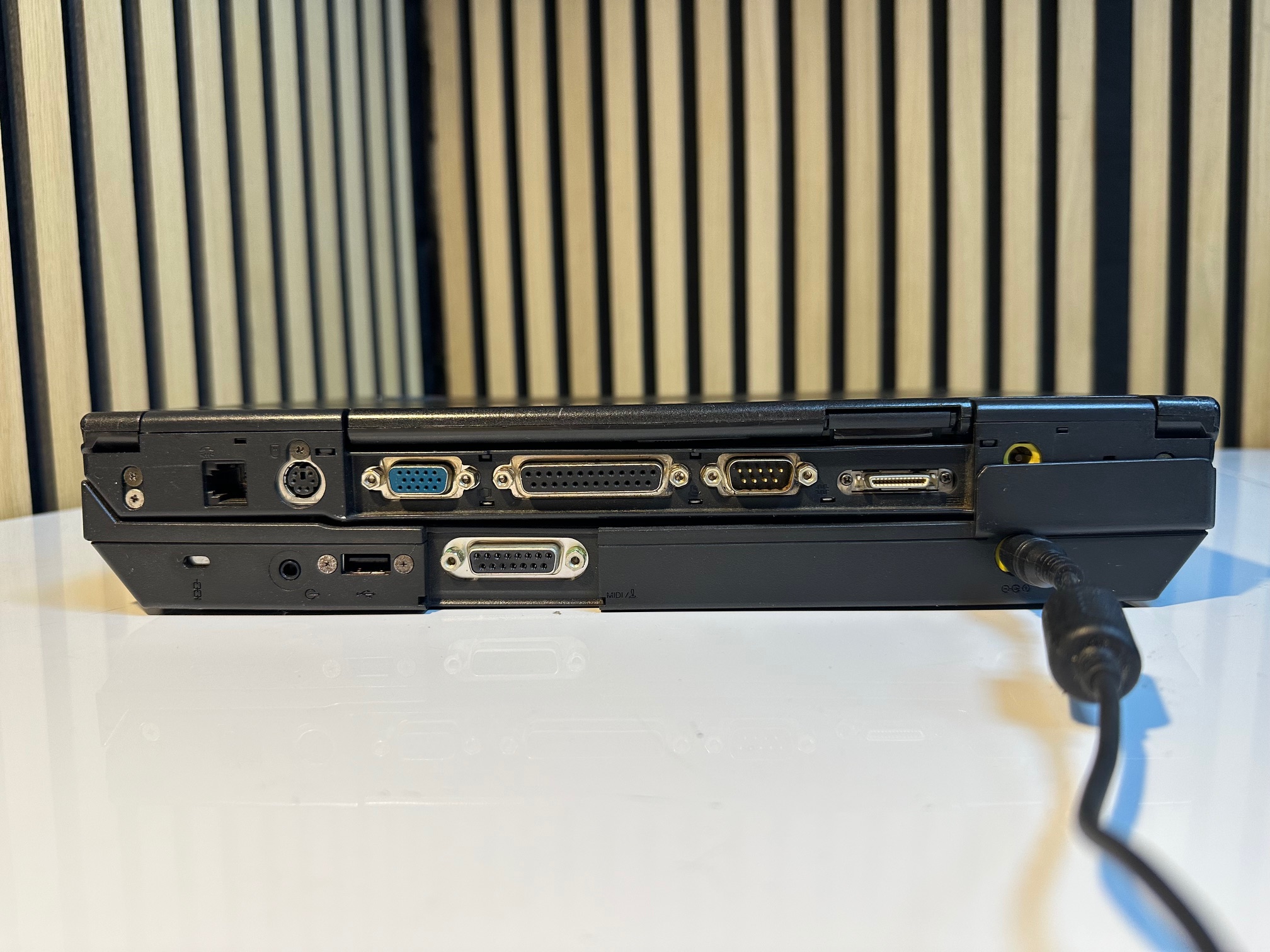
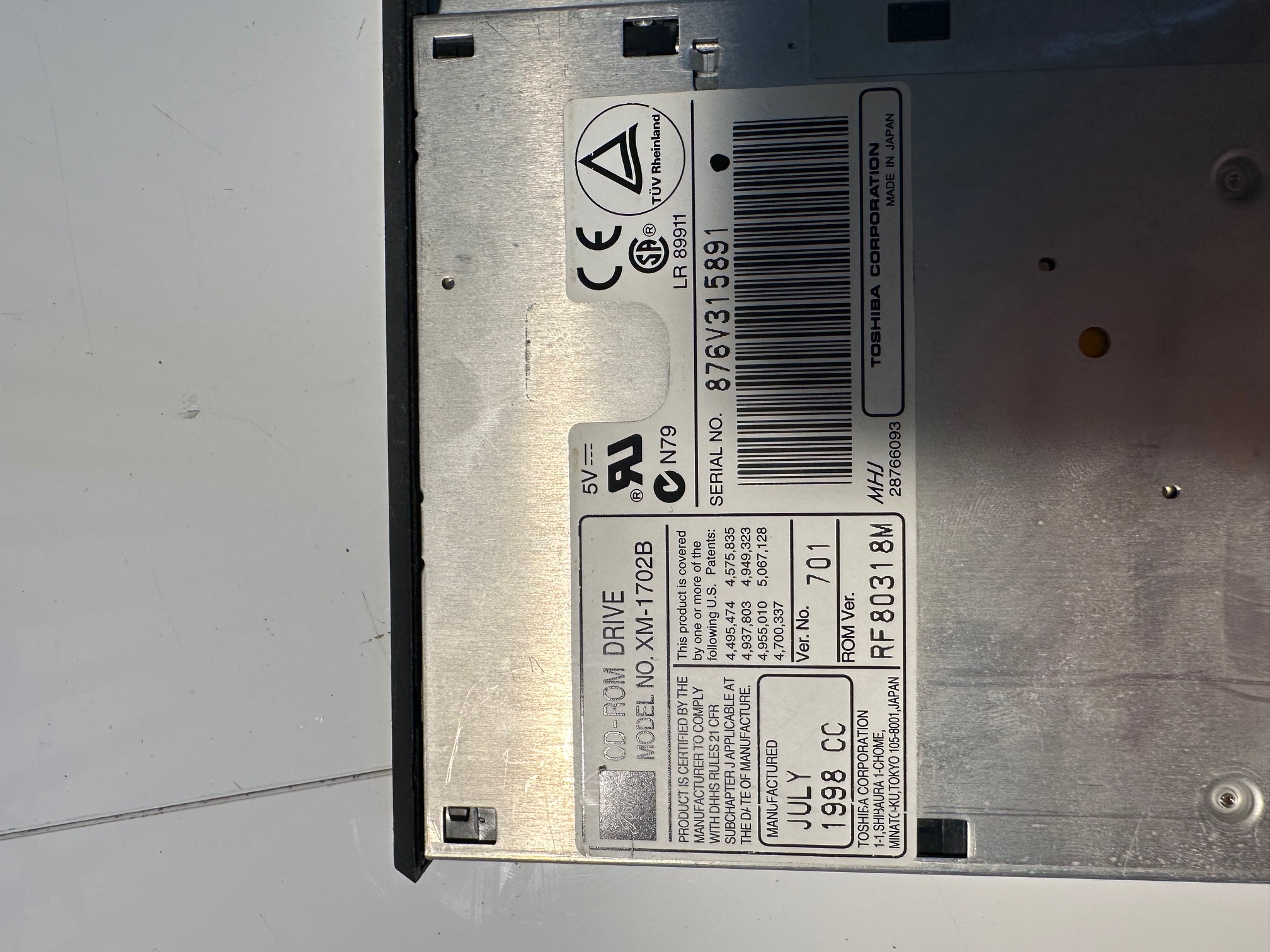
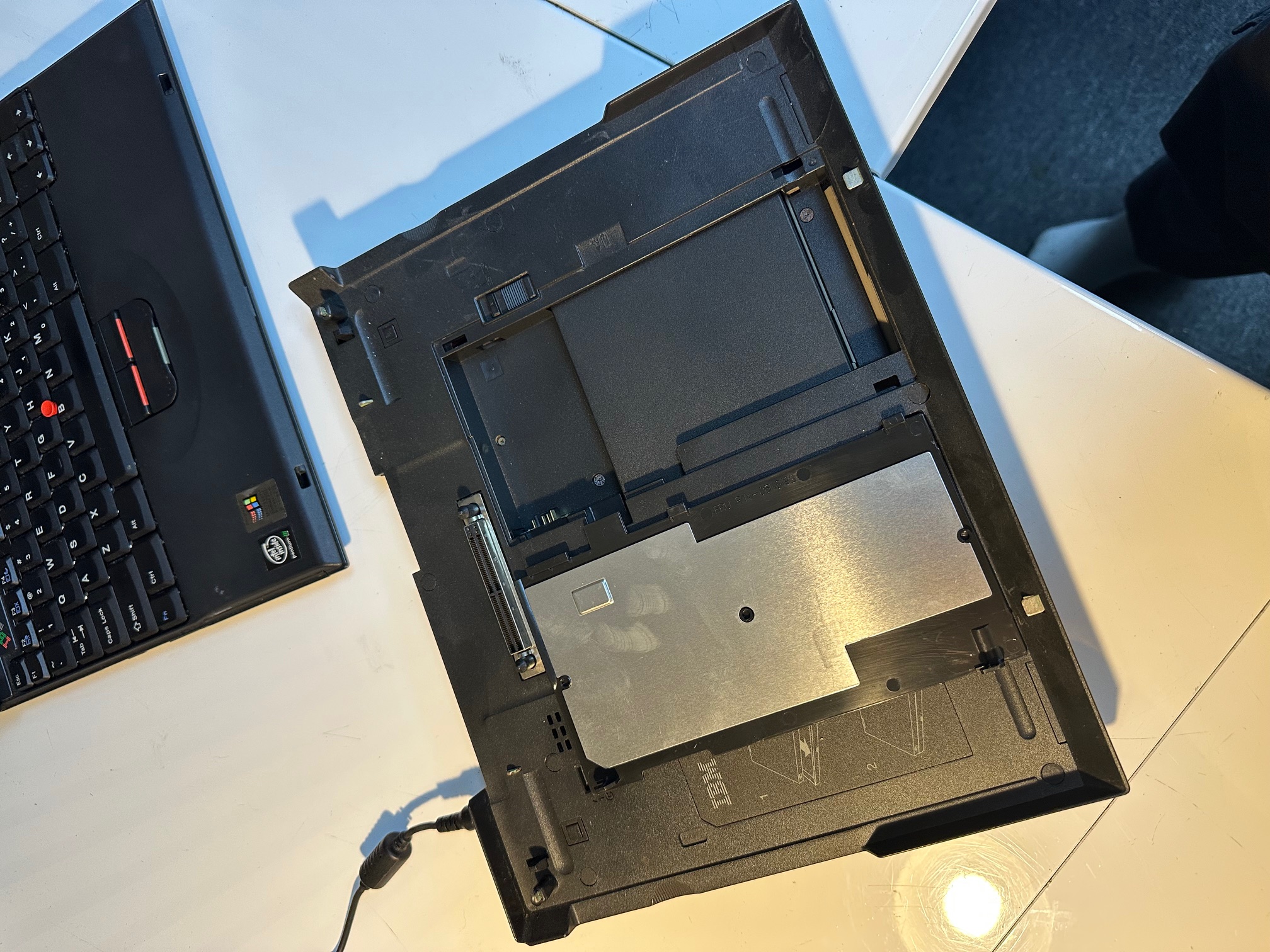
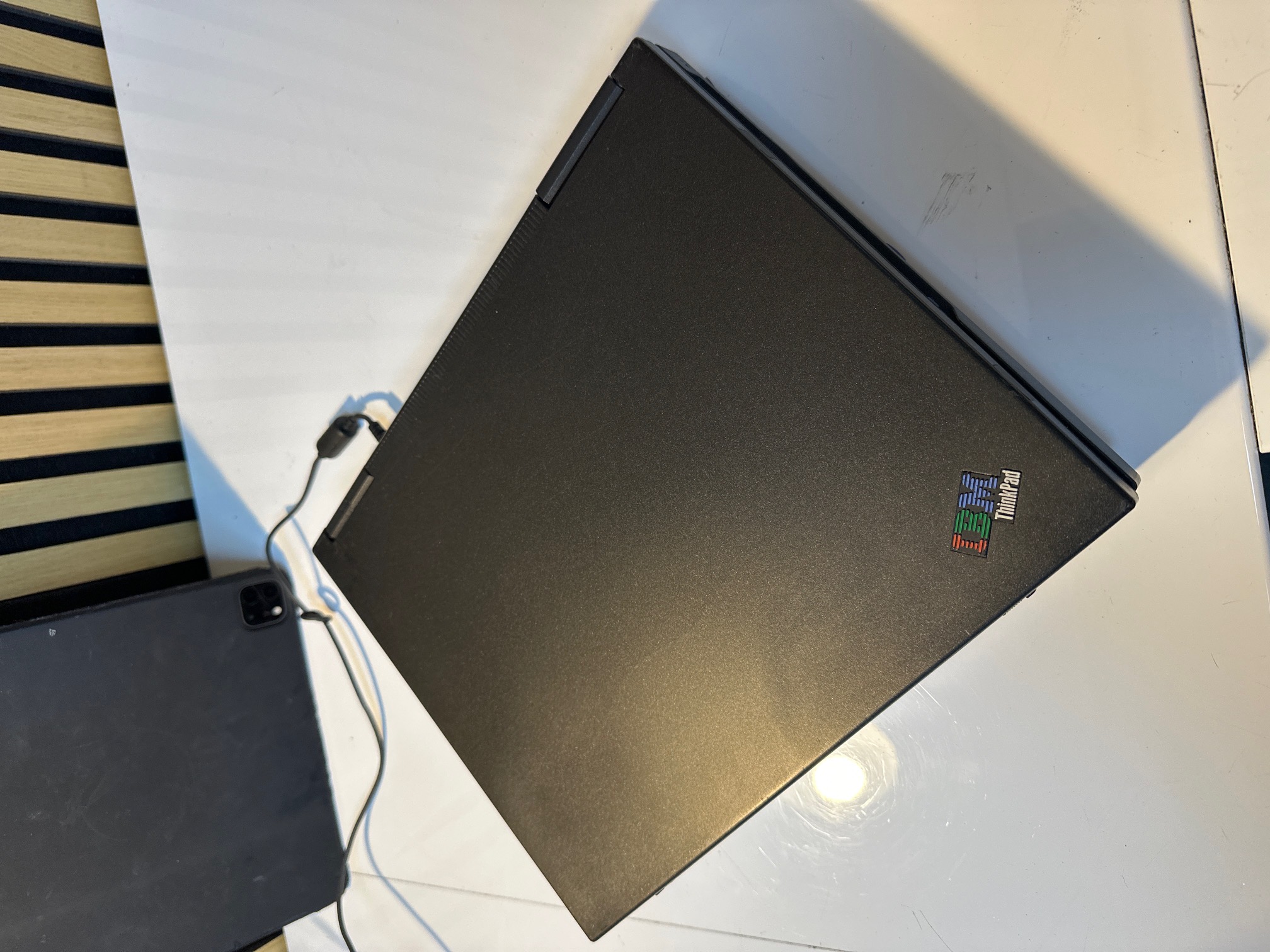
Here are some sweet, sweet pics of a nice 570E with and without it's dock. With it's dock, it's a bit like a portable 390 (which felt like it was meant to stay put on a desk for it's entire working life). Which it is. Like a 390, and docked it has a lot of drives and ports. Without the dock it's a slender MF. It's a bit plasticky though. The dock also had a cool little cubbyhole to hide a secondary battery. Which is nice.
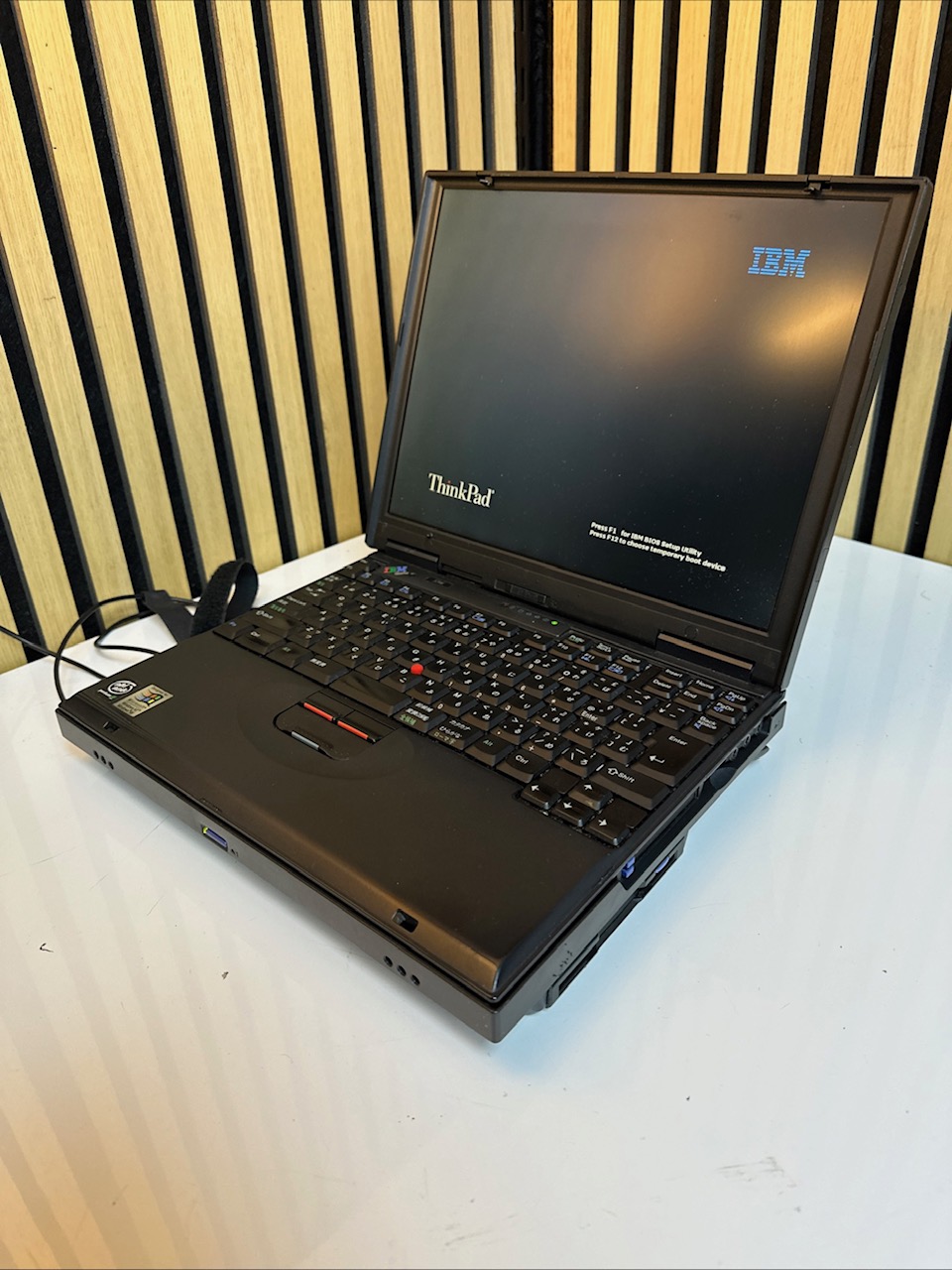
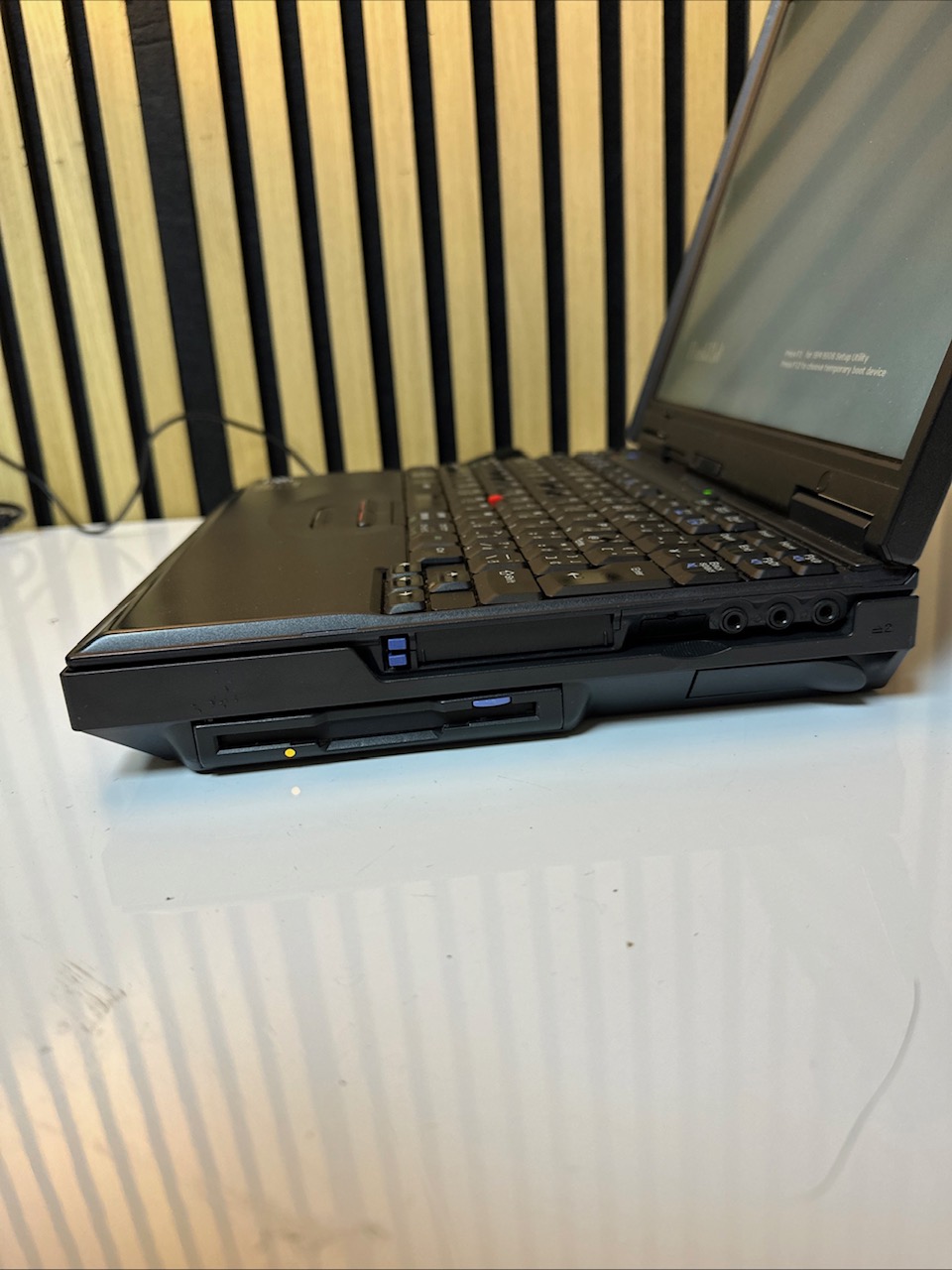
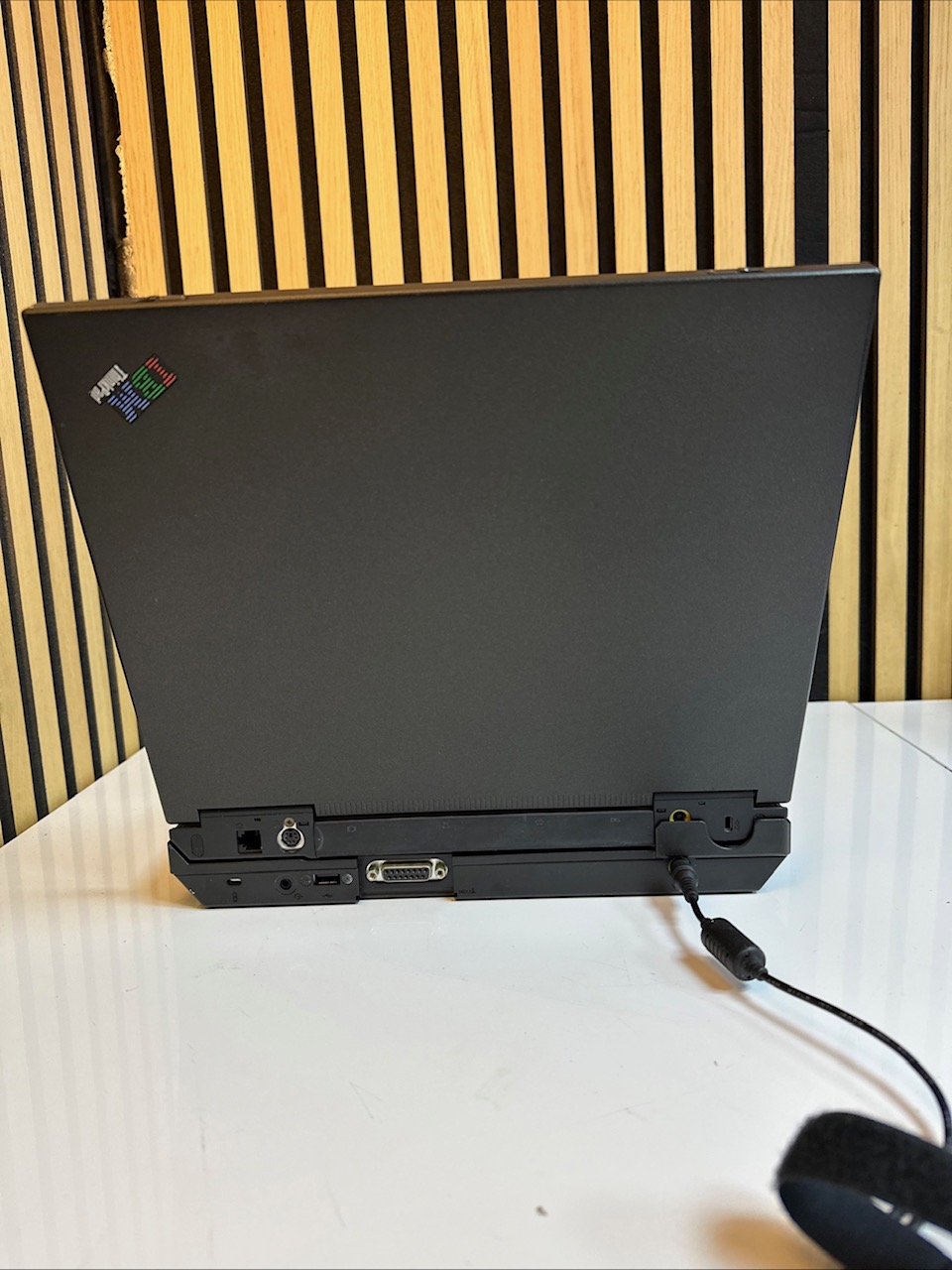
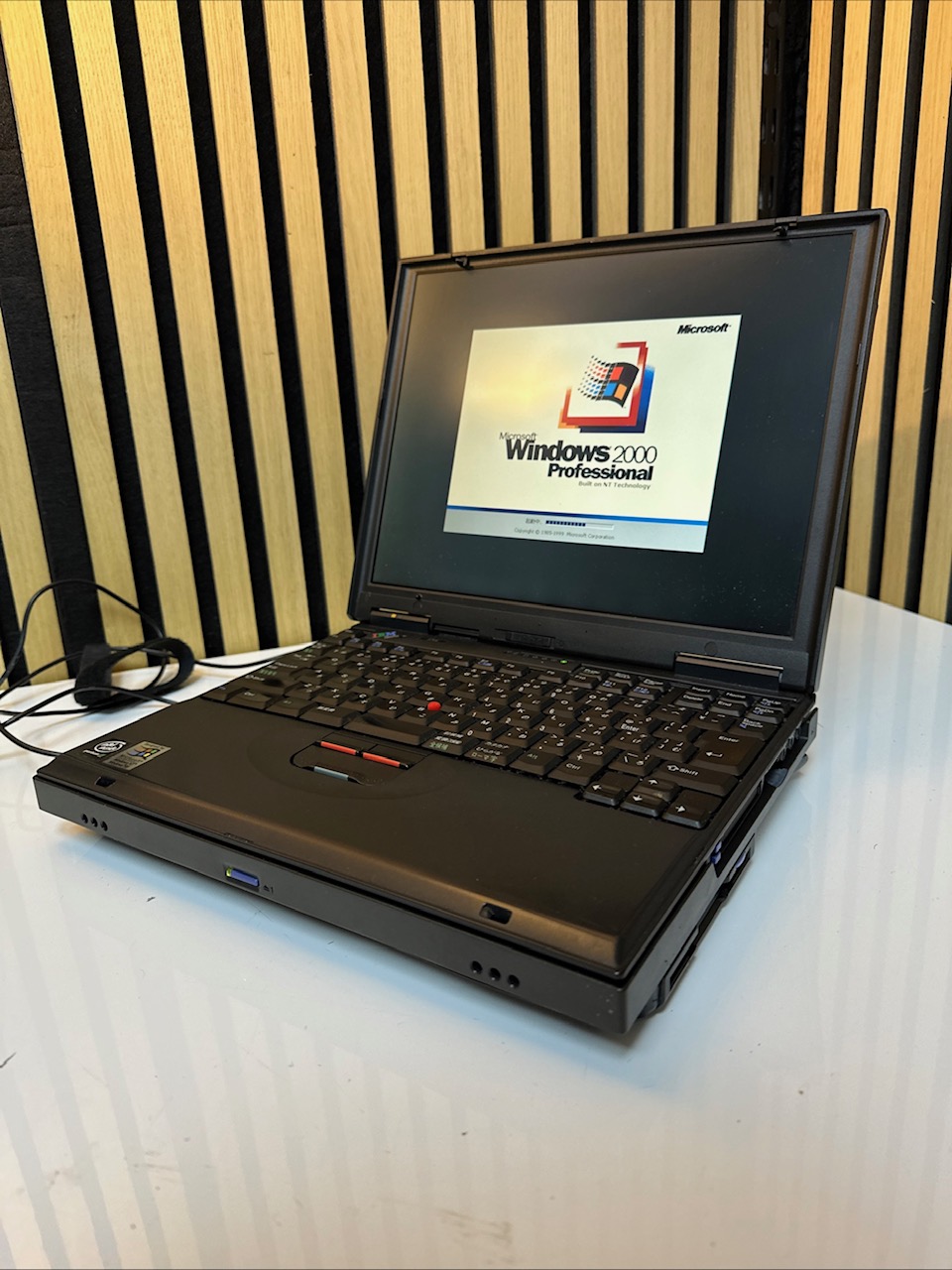
Yeah, so there was no 520 (because it kinda overlapped with the 230Cs) and there was no 540 because it didn't make sense inbetween the release of the japanese 535 and American 560. The 550BJ came before all of them.