The 240 Series of Thinkpads was the last in the 2xx generation of machines and a change in direction for the series which had always been co-developed via the RIOS-endeavour with the electronics company RICOH, who had developed a knack for creating ultraportables.
This design was firmly back in IBM's hands and was what would eventually turn into the X series of machines as IBM's ultraportable range for the late 1990s and 2000s.
Whilst the earlier 2xx range machines were mostly made from a combination of metals and industrial-feeling plastics, the 240-series, in my mind was a slight step back in feel and quality as the machines all feel quite plasticy and a little hollow. The LCD screens have aged more so than the 235 screens which retain a bright, crisp and high-contrast feel, whereas all the 240 screens seem of a lower quality and certainly the CCFL backlights are all beginning to fade and dim.
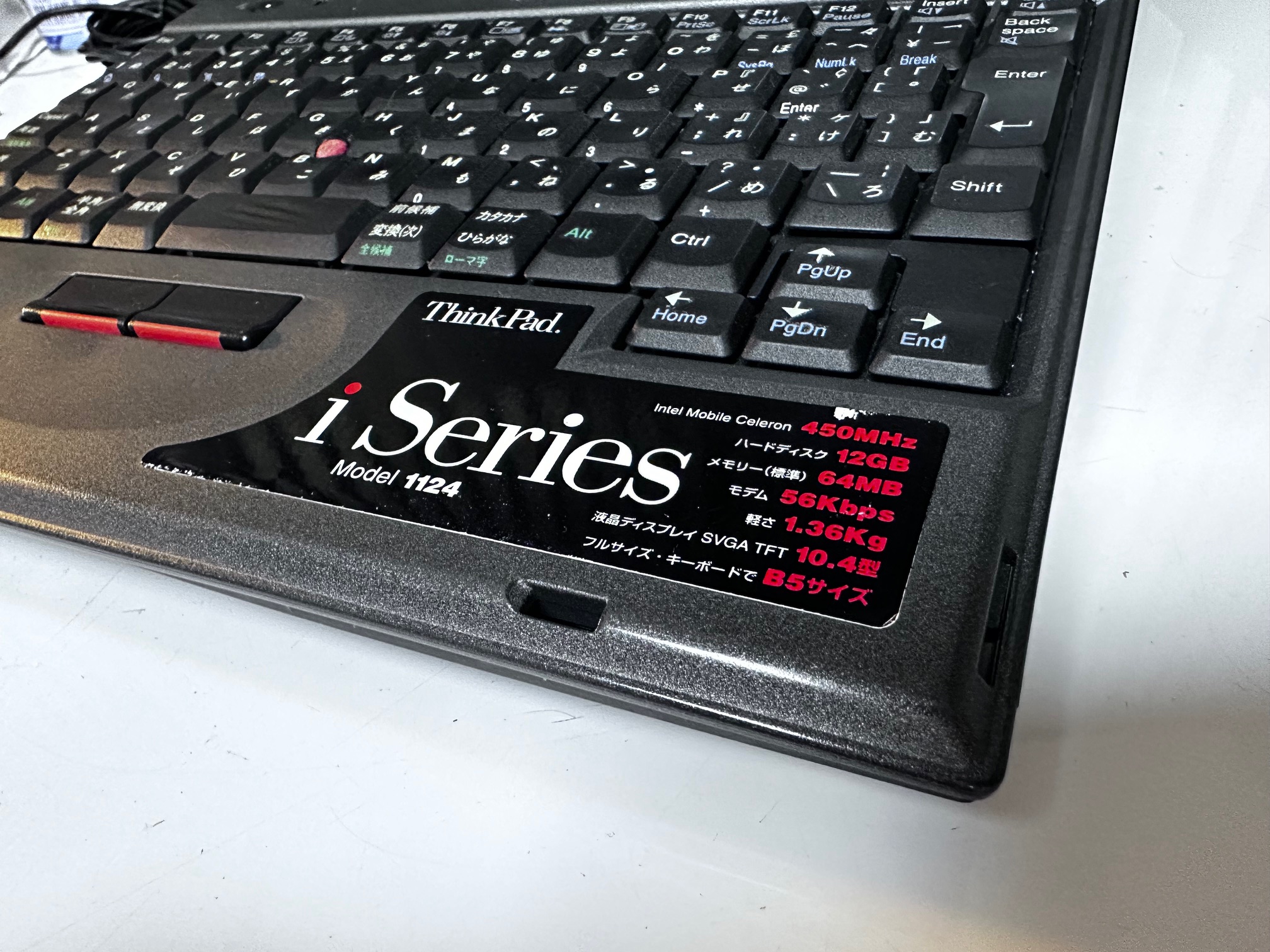
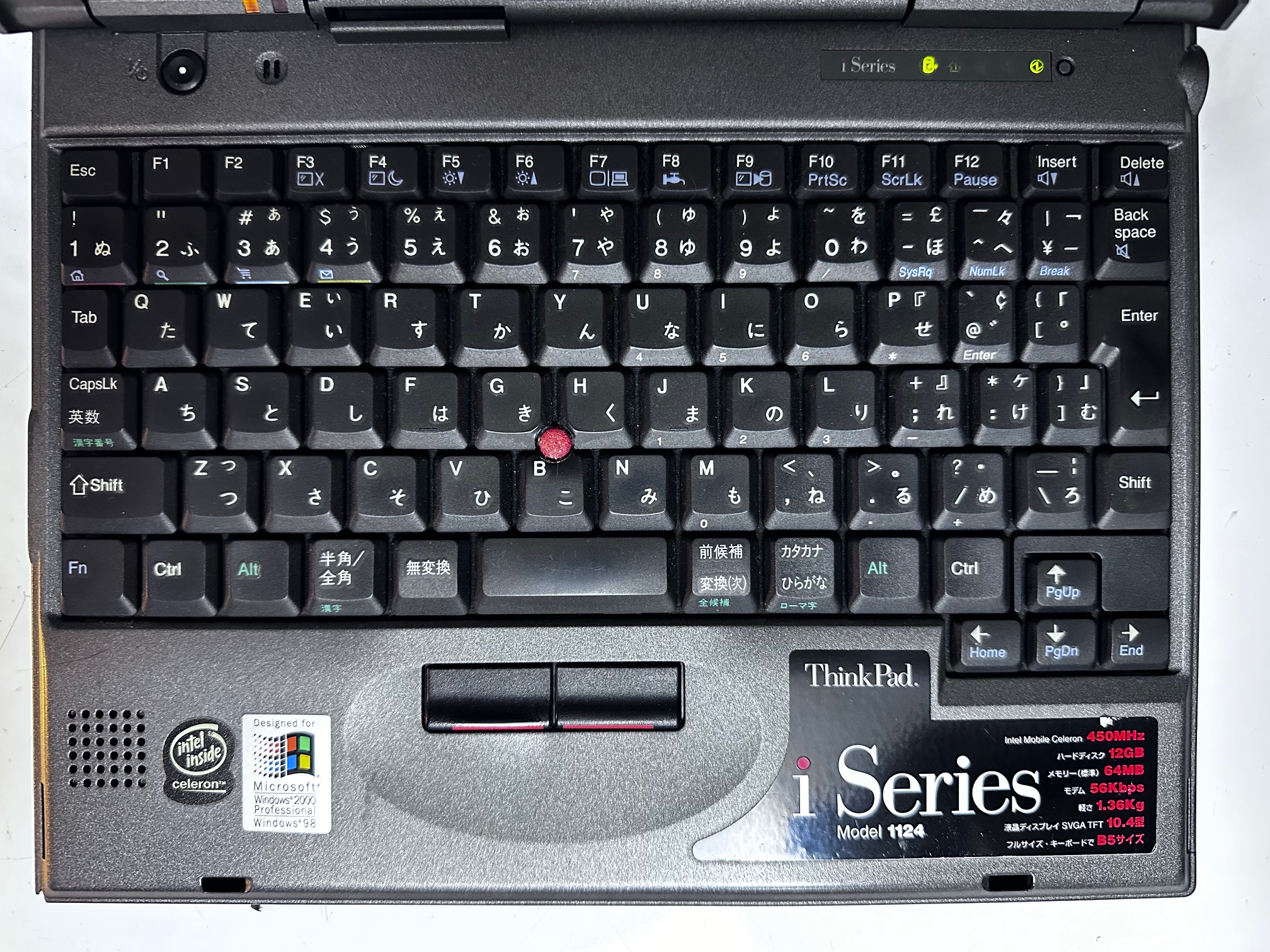
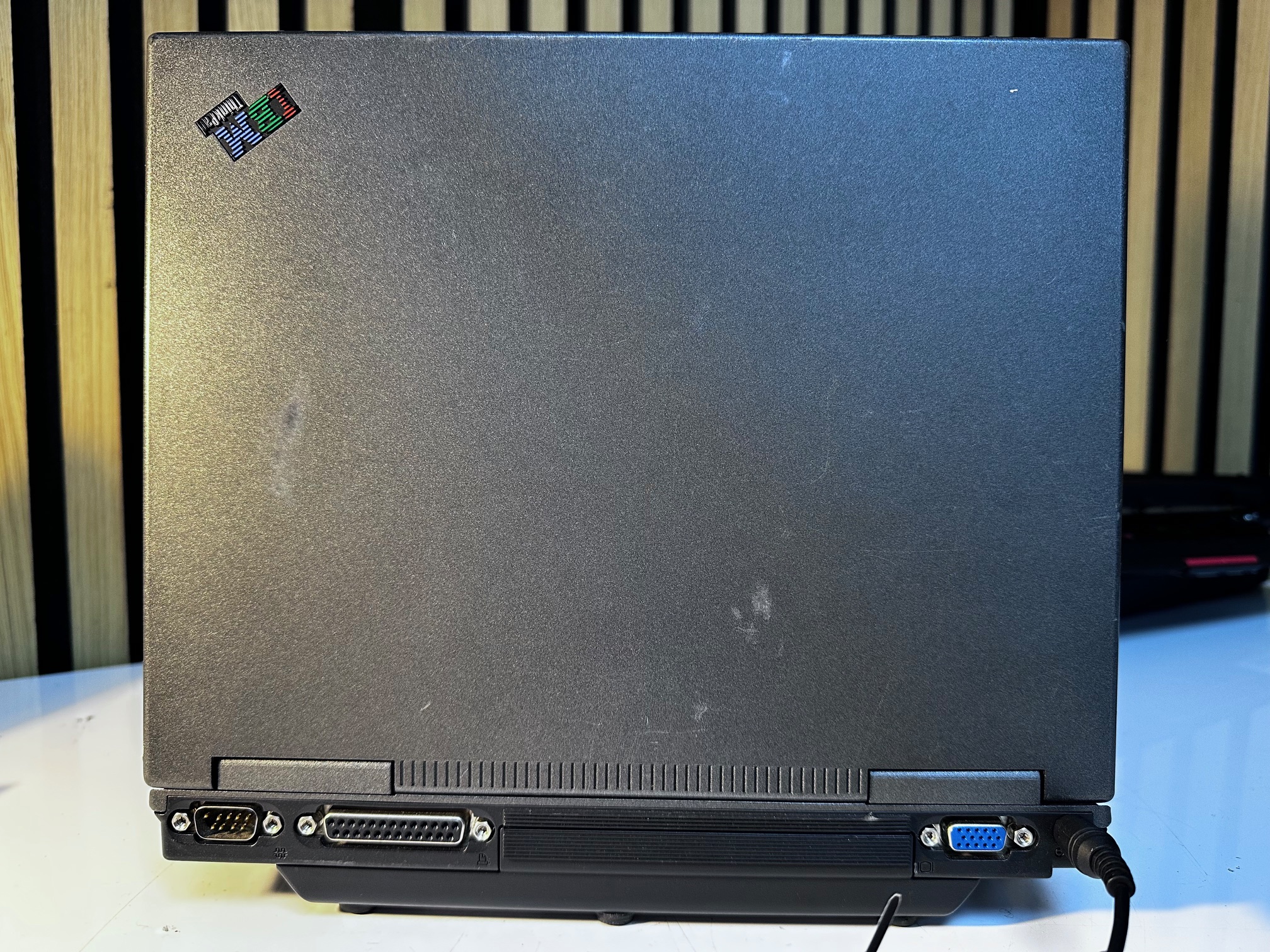
Besides the original 240, 240X and minor revision of the 240Z, there was an Asian only released iSeries-branded machine known as the 1124 which was similar in specification to the original 240X, but with a glossy, grey, metallic finish to the lid (pictured below).
You'll see from the side-on pictures below, only the 240Z has a different left side to the rest where it gains a modem port and the circular kensington-style lock is moved to the back (meaning you can't change the case to that of a 240 or 240X without dremeling it).
The CPUs came in a variety of Celeron, Pentium II and a Pentium III at 500Mhz. What I felt mostly hobbled these machines was the poor LCDs and the low quality graphics card and memory, meaning you had quite a low-contrast, dim SVGA screen. The very top-end 240Z machines solved this with an optional XGa display, but with 2Mb and 4Mb options, only the 4Mb one can support 24-bit colour depth at XGA.
Some say that the original 240 has the best soundcard, made by ESS which has superior compatibility as well as superious audio. Later machines switched to a Crystal chipet.


Here are some BIOS and booting shots of the 240:


And the same BIOS and booting shots of the 240X:


And the same for the 240Z:


And finally, for the iSeries 1124:

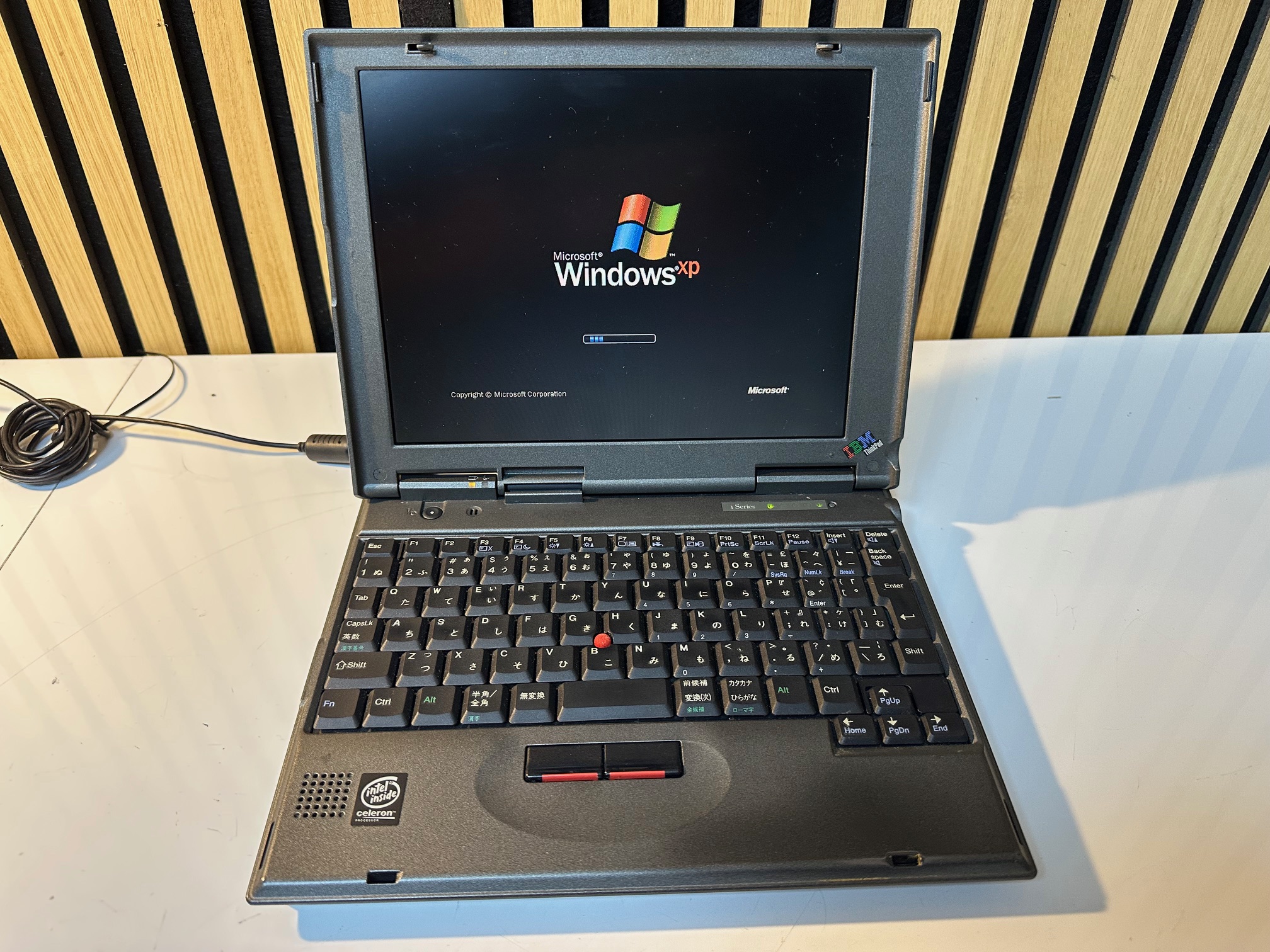
Here are some shots of each of the 240-series machines wide open:


And 'for fun' here is me comparing the 240Z to the superior Asia-only s30 machine, which you can see is of a similar size, but came with more RAM, a 600Mhz Pentium III and an XGA display as standard. As you can see, it paid homage (slightly) to the butterfly 701c by having a chassis which was smaller than that of it's keyboard:


iSeries 1124
This machine is not branded in any way as a 240-series machine was only sold in asia and appears to be a variation on the 240X. The display is a TX26D32VC1CAA which is the same as the 240X and it's worth noting that the TX26D31VC1CAA is swappable in, but has a glossy, rather than satin finish to the display.
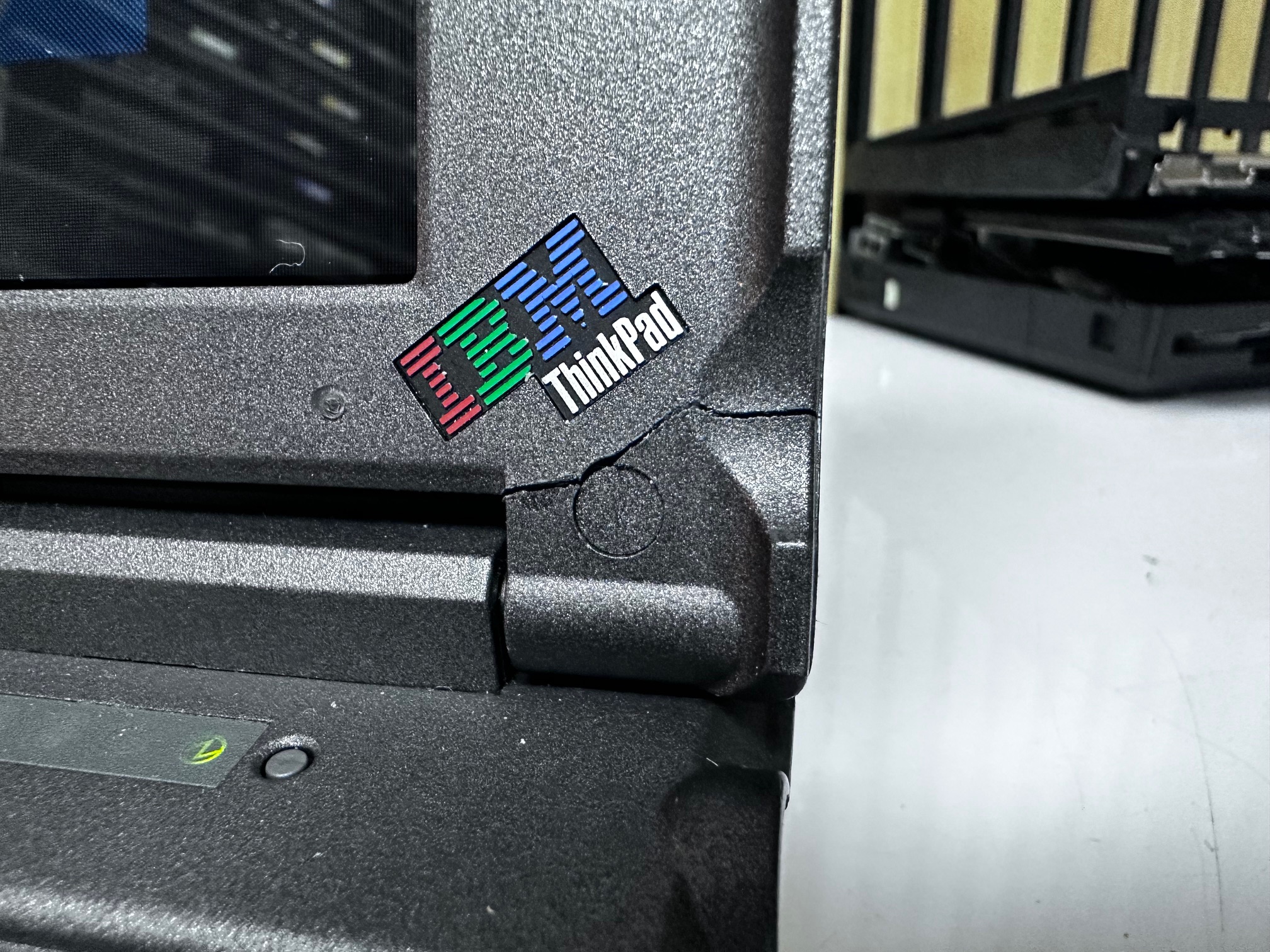
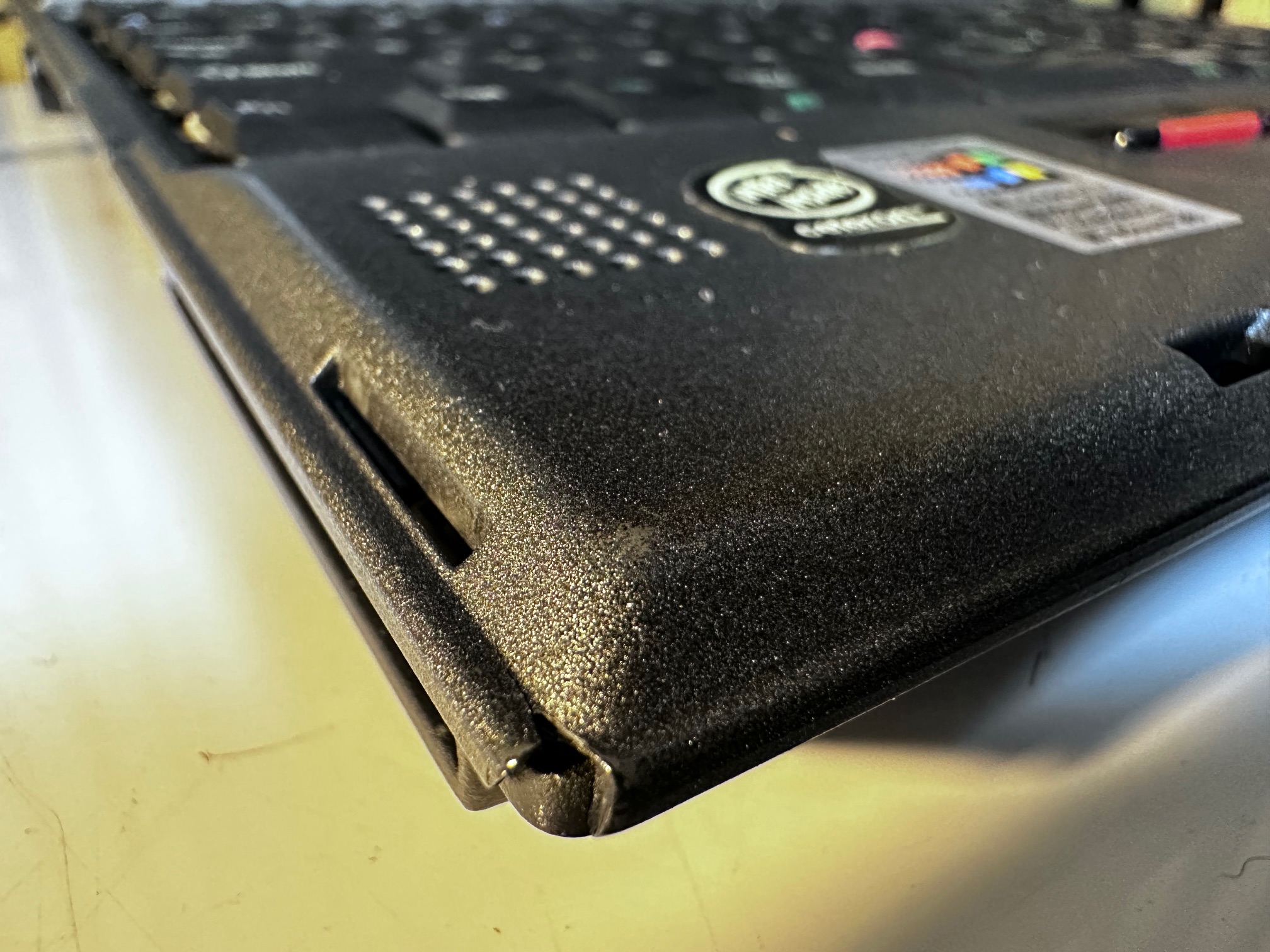
The 1124 has cosmetic florishes more closely aligned with the asia-only iSeries which means grey plastics which can be a lot more brittle than the rest of the 240-series. These plastics tend to show wear more because the black plastics of the other 240-series machines are satin black throughout the plastic, whereas the iSeries machines have a glossy top layer in grey which can wear down easily to a darker layer beneath.
I have two 1124 machines, one pictured above in the comparison shots and one below. The machine below came to me with some cracks and a blotchy screen. I had a glossy version of the 1124 display so I decided to fit that - which is bright and brand new, albeit glossy is very marmite. The plastics in the LCD bezel and into the standoffs in the lid were beginnning to crack so I used plastic weld on the hairline cracks and some JB Weld putty around the standoffs. It also had a good working HDD but no OS, so I reinstalled a Western Windows 98 SE to get the machine operational.